Teaching Grammar: what do you think?

May 24, 2020

Rohit Dhankar

I watched an hour-long video of teaching tenses in English language. The teacher was very clear, systematic and to my mind spoke at a speed and volume that should be comfortable for students to follow; unhurried, clear pronouncement and right volume. His use of white board with green and red markers was very efficient. It seemed tenses also had been dealt with in some earlier lessons. His over all purpose seemed to be to explains present, past and future tenses with three of their forms: simple, continuous and perfect; fourth form, which he did not name was left to be treated in future.

His basic methodology was to put all the rules regarding tense forms in the following chart and then explain in detail:

His explanation as I said earlier was clear and unhurried, a rough account of it’s beginning  is as follows: टेन्स एक राजा था। उसके तीन बेटे थे, प्रेजेंट, पास्ट और फूचर। पहले बेटे प्रेजेंट के तीन बेटे हुए, उसने नाम रख दिया: सिम्पल, कंटीनुअस और पर्फेक्ट। दूसरे बेटे पास्ट के भी तीन बेटे हुए, उसने भी वे ही नाम रख दिये: सिम्पल, कंटीनुअस और पर्फेक्ट। तीसरे बेटे के भी तीन बेटे हुए और उसने भी वेही नाम रख दिये। अब इनको नंबर लगा देते हैं। (1 से 9 तक नंबर लगा दिये)

फिर उनहों ने बताया की अंतिम कॉलम (पर्फेक्ट) में तीनों जगह वर्ब की थर्ड फोरम आती है। दूसरे कॉलम कंटीनुअस में वर्ब की फ़र्स्ट फोरम प्लस “ing” आता है। और फ़र्स्ट कॉलम में वर्ब की फ़र्स्ट, सेकंड, फ़र्स्ट फोरम इस क्रम में आती है।

Then he goes on to illustrate the kind of sentence structures these rules will generate. He completes the chart taking all the nine forms one by one. Then summarise and does some assessment. It is a good video lesion in the approach he assumed.

However, this set me thinking regarding the approach and mythology of teaching tenses or grammar in English. I will not get into the debate whether it is needed or not here. I do think that grammar taught through right approach can give huge educationally worthwhile benefits. Further down I will talk about this approach and one more approach before requesting English teachers to help me understand a few things. But before that I must share two things.

One, I am not an English teacher. I never studied English as a language after my 10th standard and that did not teach me much. My English is largely self-learnt primarily by reading and writing, and I never referred to grammar. Therefore, my English has gaps in it, is often sounds completely ‘uneducated’, but I manage to think, read, write, listen and speak alright in this language; or so I believe.

Two, I am not evaluating or passing judgment on the teacher’s method. I am trying to understand the approach and requesting English teachers’ opinion on an alternative approach, not necessarily suggesting the alternative approach to be used. It is only a preliminary discussion.

The overall approach in the video

It seems to me that this approach takes the language as a ‘rule governed system’ and wants to teach those rules in their pre-abstracted generalised form. Here what is being dealt with is tense. Let’s remember that “tense” is not the same thing as time. It is a “grammatical category of verbs used to express distinctions of time”. That is, it is a marker of the time of an event or occurrence, and not the “time itself” of the event. In this stage the above-mentioned chart is constructed to capture rules of how the verbs are used in sentences.

Then sentences are analysed to see the examples of these rules. Thus, showing low language can be “created” by applying these rules; together with others in grammar which are either already taught or will be taught in future. But the language is being shown as created through rules.

Lets also pay attention to the fact that a sentence is not the reality or the event happening in the world, it is only a “representation” of that reality.

The language is assumed as rule governed system, which it actually is. Learn the rules, learn means “remember” only. Then create or analyse the language with the rules already “remembered”, thus giving them some cognitive content. But this cognitive content remains only in the form of sentences and forms of verbs. Their actual meaning or connection with the reality (the world as it is and is behaving) is assumed to have understood.

In brief:

[Abstract generalised rules without explaining connection with the reality or meaning]à[Examples of application of those rules on sentences]à[Assuming the meaning to be understood]

Is an alternative approach possible?

I will try to outline an alternative approach below. It is neither new nor any kind of fantastic innovation. Quite well known for a long time. Here I am only describing it may be in somewhat different terms, and creating an example to use in the classroom. Only to elicit opinion of English teachers particularly, and of all teachers generally.

Let’s take the reality (the world as it appears to the child) and child’s consciousness of this reality as the primary ground for all learning including a foreign language, i.e. English here. Let’s take a simple definition of “meaning” as “cognitive awareness of a person of the reality and its understanding”. Let’s take “understanding” as “conceptual representation of the reality in a person’s mind, with all connections s/he can make with the totality of her cognitive content; conceptual as well as emotive and psychomotor”.

Let’s take language as a human capability which is primarily verbal and emerges only in a community. It is used, first and foremost, to help us make meaning of our experienced reality, in other words helps us create our understanding of the reality and situates ourselves in that reality. Which means helps us becoming self-aware. Secondly, it helps us in communicating our understanding created through it to others like us. This communication goes back and forth, thus helping us create a shared (objective, if you like) meaning or understanding of the reality; in other words, helps us create objectivity on the basis of our subjectivity by comparing and relating our subjectivity with other subjectivities who use our shared language.

If we accept these concepts, definitions and slice of general scenario of human situation in the world, then it may indicate an approach to teach language and grammar, which might be substantially different from the approach used in the above-mentioned video.

In a nutshell the suggested approach inverts the above-mentioned approach, or stands the above-mentioned approach on its head:

[Bringing to consciousness (reminding) some known reality]à[Expressing that reality in language to be taught (English)]à[Analysing the language, continuously keeping the meaning in mind, to abstract or generalise rules the language uses to describe the reality]à[formulating the rules with clarity and generalised form]à[Applying the rules to describe similar slices of reality in language].

Let’s try to create an example of this approach which can be used in the classroom. I am out of practice in elementary school teaching and am rather a non-creative person, therefore, my examples may not be that good. You can create your own and/or improve upon what I describe below. In this article my focus is on illustration of a general approach, so think from that perspective, and ignore particular issues in the example.

Any teaching requires some basis of understanding, the new learning can become possible only upon that existing understanding. In other words, we always assume some knowledge and capabilities as basis on which we try to teach new things. Here, I am assuming that students can read and understand some spoken English, even if they can not write and speak at the same level. “Reading” is used here for “reading with comprehension”, not mechanical sound producing.

With this assumption lets imagine a classroom. I am leaving the preliminaries of warming up and mention of what is to be learnt etc. for your imagination. Coming straight to the point to save space and time.

Teacher: अच्छा बताओ क्या राजबीर संतरा खाता है?

Student(s): हाँ, खाता है।

Teacher: “संतरा खाता है” का क्या अर्थ होता है? “आज खाया?”, “कल खाया था?”, “आने वाले कल खाएगा?” या कुछ और?

Student(s): मिले तब खा लेता है। मना नहीं करता।

Teacher: अच्छा, तो यह सामान्य बात है, राजबीर संतरा खाता है मतलब वह हमेशा ही खा सकता है, मिल जाये तो।

Student(s): हाँ।

Teacher: मान लो कोई बच्चा संतरा खाने से माना नहीं करता, मिले तो खालेता है। तो क्या हम किसी भी बच्चे के बारे में यह भी कहा सकते हैं कि “बच्चा संतरा खाता है”?

Student(s): हाँ, कह सकते हैं।

Teacher: ठीक है तो बताओ यही बात कि “बच्चा संतरा खाता है” अङ्ग्रेज़ी में कैसे कहेंगे?

Student(s): (संभव है कुछ छात्र बतादें, हमारे assumption के अनुसार) “A child eats orange”।

Teacher: (बोर्ड पर लिख देते हैं, “A Child eats orange”) ठीक, और यदि यह कहना हो कि “बच्चे संतरा खाते हैं” तो?

….

In this manner, with variations in questions the teacher writes the following sentences on the board:

  1. A child eats
  2. A child eats
  3. Children eat
  4. Children eat
  5. A child does not eat
  6. A child does not eat
  7. Children do not eat
  8. Children do not eat
  9. Does a child eat oranges?
  10. Dos a child eat oranges?
  11. Do children eat orange?
  12. Do children eat oranges?

Now the teacher can draw students’ attention to the underlined words in the sentences. Can ask various questions to elicit general but at this moment tentative rules. For example: does the form of underlined words change with singular or plural of “orange”? Does the form of underlined words change with singular or plural of “Child”? does it change with negation? Does it change with interrogation? In all these cases how does it change? And so on.

After this perhaps the best thing will be to give children a sentence “बंदर केला खाता है”. Ask children to translate it into English and generate all the kinds of sentences as above out of this. Note again that the verb and helping verb change form and place in the sentence according to the subject and not according to the object.

Keeping these sentences in mind can introduce the ideas of subject, object, verb, helping verb, sentence structure, forms of verb, and with this terminology general rules of verb behaviour in simple present tense. Note that rules hare are being formulated in the classroom from the base of English already known to the children. Similar exercises can be used to formulate the rules for simple past and simple future and so on. I have a strong hunch that if good practice is given in formulating rules in simple present and simple past tenses, the children can be given the task of formulating rules for simple present on their own. I somehow believe that most of them will be able to do it well, in not alone in small groups of 3-5.

Thus, rules for all tense forms can be tentatively formulated in the classroom. When all this work is done one can conclude the topic by putting them in the kind of chart that is drawn in the beginning in the video.

It seems to me there are some benefits of the proposed approach over the approach taken in the video. I am not sure, nor do have any empirical evidence to site in favour benefits I expect. They are worked out purely at the speculative level.

  1. The language is used to remind of a slice of some known reality, and then slight variations in that reality are suggested/imagines. English language is used to describe this reality and slight changes in it. This keeping the connection of reality and language all the time very firm. This should help the child in developing an attitude of always looking for the meaning of sentences and resist memorisation of meaningless sentences across the curriculum. If that happens it’s a very important achievement in education.
  2. The rules are generalised from the known part of language. This should develop analytical capabilities of the children if practiced frequently. Help them develop the idea that grammar does not come from the God and is not a structure of mechanical rules. But is created out of analysis of language by human beings, and she herself can also have a go at it.
  3. It should develop the child’s capability to generalise grammar even when not taught by the teacher or the book.
  4. It should make the child become aware of variations in language making her a keen observer in occasions of language use.
  5. It establishes in the child’s mind an understanding of language as a capability to think, analyse, arrive at judgments and describe reality.

These are some views on the approach illustrated through example of teaching tenses, but to my mind generalisable to teaching of whole of grammar and also general analysis and understanding of language. This later might be very useful in use of language across the curriculum. And particularly in understanding literature in future.

All this is not written as some final theory and practice of grammar or English teaching. The purpose here is to seek teachers’ opinion on this approach.

So, what do you say? Your opinion, criticism, questions etc. all are invited.

********

23rd May 2020


इस्लामोफोबिया-हिन्दुफोबिया

May 20, 2020

रोहित धनकर

भारतीय मुख्यधारा संचार माध्यमों में और कथित सामाजिक माध्यमों में इस्लाम या मुस्लिम विरोधी टिप्पणियों के लिए खाड़ी देशों में काम करने वाले भारतीयों की जेल या नोकरी से निकालने की खबरें इन दिनों कई बार आई हैं। यह भारत के अंदर और बाहर यहाँ इस्लामोफोबिया  फैल जाने की खबरों के बाद शुरू हुआ है। सभी संचार माध्यमों की एक बड़ी समस्या मुझे यह लगती है की वे खबर पूरी नहीं देते। उदाहरण के लिए यह तो बताएंगे की अमुक व्यक्ती की सामाजिक-संचार माध्यमों में टिप्पणी के कारण नोकरी चली गई। पर उसकी वह टिप्पणी जिसके कारण नोकरी गई बहुत ढूँढने पर भी नहीं मिलती, मिलती है तो बड़ी मुस्किल से। इसका अर्थ यह हुआ की आप नोकरी से निकालने वाले और खबर देने वाले माध्यम के निष्कर्ष (कि टिप्पणी इस्लामोफोबिक है) को मानने के लिए बाध्य हैं। आप तथ्यों के आधार पर अपना निष्कर्ष नहीं निकाल सकते, क्यों की तथ्य आपको उपलब्ध ही नहीं होते। खैर अभी मुद्दे पर आते हैं।

हाल ही में एक भारतीय डॉक्टर नीरज बेदी को उसके सऊदी अरबी विश्वविध्यालय ने कथित इस्लामोफोबिक टिप्पणी के लिए नोकरी से निकाल दिया। मुझे एक ट्वीटर वाले की मदद से वे टिप्पणियाँ मिली। थोड़ा यह देखना चाहते हैं की ऐसी टिप्पणियाँ इस्लामोफोबिक हैं क्या? और इनपर किसी की नोकरी जानी चाहिए क्या?

टिप्पणियाँ निम्न प्रकार हैं:

  1. नीरज बेदी: “If all Muslims majority countries are Islamic only and not Secular why Hindus majority nation not to be Hindus nation only. Main concept behind to hate RSS and Hindus. A Truth and Fact I Challenge if any reply back.” (यदि सारे मुस्लिम-बहुल देश इस्लामिक राष्ट्र हैं और पंथ-निरपेक्ष नहीं हैं, तो हिन्दू-बहुल देश हिन्दू राष्ट्र क्यों नहीं होना चाहिए? राष्ट्रीय स्वयंसेवक संघ और हिंदुओं से घ्रणा के पीछे मुख्य रूप से इसी धारणा है। यह एक तथ्य और सच्चाई है, मैं चुनौती देता हूँ यदि कोई जवाब देता है तो।”
  2. मोहम्मद शान: “कनिका कपूर मुसलमान है? डिलीवेरी बॉय जिसकी वजह से 70 घरों (को) क्वारेंटाइन किया गया वे (वो) मुसलमान है? दिल्ली में और महाराष्ट्र में जितने भी मजदूर सड़कों पर आए वे सब मुसलमान हैं? जिसने अपनी माँ की तेरहवीं में लोगों को खाना खिलाया और जिसकी वजाह से 3000 घरों की बस्ती सील हुई वह मुसलमान है? [Angry emoji]”
  3. नीरज बेदी: “60% cases belong to Jamaati only”. (60% केस तो सिर्फ जमातीयों वाले हैं।”

तीसरी टिप्पणी मोहम्मद शान की टिप्पणी है। यह स्पष्ट नहीं है की मोहम्मद शान की टिप्पणी नीरज बेदी की पहली टिप्पणी का जवाब है या किसी और टिप्पणी का। नीचे की दो टिप्पणियाँ ऊपर की चर्चा के सातत्य में नहीं हैं, नाही शायद उसी व्यक्ती को संबोधित हैं।

  1. नीरज बेदी: “This is typical redical indian Islamic terrorism mind set as evidenced in Syria and ISIS” (यह अतिवादी इस्लामिक आतंकवादी मानसिकता जो सीरिया और ISIS में दिखती है उसका का भारती नमूना है।) [मुझे नहीं पता यह किस कथन के लिए कहा गया है। अनुमान है भारत में(?) किसी मुसलमान के व्यवहार या कथन पर कहा गया होगा।)
  2. नीरज बेदी: “Truth and Fact is Redical Islamic terrorism exists in one form or other. Your perception Is wrong.” (सच्चाई और तथ्य यह है कि अतिवादी इस्लामिक आतंकवाद का इस या उस रूप में अस्तित्व है। आपका सोचना (perception) गलत है।)

हम यहाँ पहले इन टिप्पणियों से संबन्धित कुछ सवालों पर सोचेंगे:

  1. इन टिप्पणियों में किए गए दावों की सत्यता-असत्यता की जांच कैसे करेंगे?
  2. क्या ये टिप्पणियाँ इस्लामोफोबिक हैं?
  3. क्या ऐसी टिप्पणियों पर बंदिश होनी चाहिए?


इन टिप्पणियों में किए गए दावों की सत्यता-असत्यता की जांच कैसे करेंगे?

नीरज बेदी की टिप्पणी नंबर 1 भारत में हिन्दू-वृचश्ववादियों की तरफ से दिये जाने वाला एक भ्रामक पर आम तर्क है। इस से आप असहमत हो सकते हैं, और लगभग हर संविधान का सम्मान करने वाला भारतीय इस से असहमत है भी, पर सार्वजनिक रूप से यह तर्क देने पर और यह प्रश्न पूछने पर बंदिश कैसे लगाई जा सकती है? यह तो हमें संविधान में दी गई अभिव्यक्ती की स्वतंत्रता का सार्वजनिक उपयोग भर है। इस में इस्लाम के विरुद्ध या घ्रणा फैलाने वाली बात कहाँ है? क्या अधिकतर मुस्लिम बहुल देश इस्लामिक राष्ट्र नहीं हैं?

शरजील इमाम के अभिव्यक्ती की स्वतन्त्रता के हक के समर्थन में एक से अधिक भारतीय बुद्धीजीवियों ने लेख लिखे थे, विद्यार्थियों ने जुलूस निकाले थे। ट्वीटर और फेसबुक पर पाठकों ने उसके पक्ष में तर्क दिये थे। जिन्हें याद ना हो उनके लिए: बहुत सारी बातों में इमाम ने एक बात यह भी कही थी कि हिन्दू मुसलमानों की दुश्मन कौम है। कि संविधान ने इस दुश्मन कौम को मुसलमानों के सिर पर बैठा दिया है। और उन्हें मुस्लिम वृचश्व स्थापित करने के लिए संविधान से बाहर निकाल कर अपनी लड़ाई लड़नी पड़ेगी। यदि यह अभिव्यक्ती सतंत्रता के दायरे में आता है तो नीरज की टिप्पणी क्यों नहीं? उसमें तो दुश्मनी की और संविधान को तोड़ने की लड़ाई की बात भी नहीं है।

मुझे नीरज बेदी के उक्त तर्क से न सहानुभूती है न मैं इस से सहमत हूँ। मुस्लिम बहुल देश अपनी कट्टरपंथी आस्था और अन्य धर्मों के प्रती घोर असहिष्णुता में अपने देशों का क्या करते हैं यह उनका अपना मामला है। भारत एक समानता और स्वतन्त्रता पर आधारित संवैधानिक राष्ट्र है। यही इस की संस्कृति से मेल खाता है। यही मानवता की मांग है। यही यहाँ के निवासियों का बहुमत है। अतः भारत हिन्दू राष्ट्र नहीं बनेगा, स्वयं हिन्दू ही इसे हिन्दू-राष्ट्र नहीं बनाने देंगे। पर इसी राष्ट्र की संस्कृति और संविधान के अनुसार नीरज को यह कहने का हक भी है। साथ ही जब तक यह सवाल सार्वजनिक तौर पर खुल कर नहीं पूछा जाएगा, और इसका जवाब सार्वजनिक तौर पर साफ, असत्य-आधारित और खुल कर नहीं दिया जाएगा; तब तक यह सवाल खत्म नहीं होगा। और इस सवाल का जिंदा रहना भारत के हित में नहीं है। अतः इस सवाल को खत्म करने के लिए इसका पूछा जाना और जवाब दिया जाना जरूरी है।

नीरज की दूसरी टिप्पणी मेरी जानकारी के अनुसार तथ्यात्मक रूप से गलत है। जहां तक मुझे पता है कोरोना के फैलाव में जमात का योगदान अधिकतम 43% एक-दो दिन के लिए रहा है। 60% कभी नहीं हुआ पूरे भारत में। हालांकि विशिष्ट प्रान्तों में शायद रहा हो। यह इस्लामोफोबिक है या नहीं इस पर आगे विचार करेंगे।

चौथी टिप्पणी में नीरज बेदी किसी व्यवहार या कथन को “अतिवादी इस्लामिक आतंकवादी मानसिकता जो सीरिया और ISIS में दिखती है उसका का भारती नमूना” बता रहा है। हमें नहीं पता वह व्यवहार या मानसिकता क्या है, जिस की तरफ नीरज इशारा कर रहा है। पर सीरिया में और ISIS की “अतिवादी इस्लामिक आतंकवादी मानसिकता” की अभिव्यक्ती और व्यवहार खुलकर हुआ है, इस से तो इंकार करना संभव नहीं लगता। और इस मानसिकता पर भारत में भी खुलकर व्यवहार हुआ है, हो रहा है। इसकी अभिव्यक्ती भी होती रहती है। और तुर्रा यह की इस की अभिव्यक्ती करने वालों को ‘उदार लोकतन्त्र’ का समर्थक भी घोसित किया जाता है। बल्कि उनकी इसलामपरस्त और हिन्दू-घृणा से ओतप्रोत मानसिकता की तरफ इशारा करने वालों को सांप्रदायिक और इस्लामोफोबिक भी कहा जाता है। यह भी ध्यान देने की बात है की जहां तक हम जानते हैं नीरज सब मुसलमानों को इस अतिवादी इस्लामिक मानसिकता का शिकार नहीं बता रहा। किसी विशिष्ट घटना, व्यक्ती या विचार को बता रहा है।

पाँचवीं टिप्पणी में वह कह रहा है: “सच्चाई और तथ्य यह है कि अतिवादी इस्लामिक आतंकवाद का इस या उस रूप में अस्तित्व है। आपका सोचना (perception) गलत है।” आज के भारत और आज की दुनिया में “अतिवादी इस्लामिक आतंकवाद” के अस्तित्व से कौन इंकार कर सकता है? इस सच्चाई से आँखें मूँदने से क्या हाशिल होगा? हालांकि यह कहना की सारे मुसलमान ऐसे हैं निसंदेह गलत और दुर्भावना पूर्ण होगा। पर अतिवादी इस्लामिक आतंकवाद है, वह इस्लामिक धर्म-ग्रन्थों की एक व्याख्या से समर्थित है, और बहुत सारे मौलाना उस व्याख्या को समर्थन देते हैं। कोई चाहे तो इस पर बहस और शोध हो सकता है, पर वह समय की बरबादी होगी।

तो नीरज की टिप्पणियाँ सत्यता और अभिव्यक्ती स्वतन्त्रता के दायरे की दृष्टि से तो ट्वीटर जैसी जगह चलने वाले विमर्श में गलत नहीं काही जा सकती। पर कुछ लोगों की आपत्ति यह हो सकती है कि इन टिप्पणियों पर नोकरी से तो सऊदी अरब में निकाला गया है, और मैं सारी विवेचना भारतीय संदर्भों में कर रहा हूँ। यह महत्वपूर्ण बात है, इस पर विचार आगे करेंगे। अभी यह देखते हैं कि क्या ये टिप्पणियाँ इस्लामोफोबिक हैं?

क्या ये टिप्पणियाँ इस्लामोफोबिक हैं?

इस सवाल का जवाब देने से पहले हमें यह समझना पड़ेगा कि “इस्लामोफोबिया” और “इस्लामोफोबिक” के अर्थ क्या हैं? इस्लामोफोबिक तो वह चीज होगी जिसमें इस्लामोफोबिया के गुण पाये जाएँ। तो फिर हमें इस्लामोफोबिया का अर्थ समझना पड़ेगा।

ऑक्सफोर्ड, कॉलिन्स शब्द कोषों और इंटरनेट पर बहुतायत से काम में लिए जाने वाले वर्डवेब का सहारा लें तो इस्लामोफोबिया इस्लाम, मुसलमानों और मुस्लिम-राजनीति के प्रति एक रवैय्या या मनोभाव (attitude) है। इस मनोभाव में कुछ उपमनोभाव समाहित लगते है: भय, विरूचि, घ्रणा, प्रतिकूल-पूर्वधारणा, और नापसंदगी। इस्लामोफोबिया बनने के लिए इन में से कुछ भाव तीव्र और विवेकविहीन या तर्क-विहीन होने चाहिएं।

लगता है अभी इस शब्द पर समाज-शास्त्रियों ने बहुत ध्यान नहीं दिया है। क्योंकि मुझे यह समाज-शास्त्रों के अंतरराष्ट्रीय कोष में और ब्रिटन्नीका में नहीं मिला। पर विकिपीडिया में है। विकिपेडिया में इस के बारे में जो लिखा है उसका अर्थ कुछ निम्न प्रकार है:

“शब्द के अर्थ पर बहस जारी है, और कुछ इसे समस्याग्रस्त मानते हैं। कई विद्वान इस्लामोफ़ोबिया को ज़ेनोफ़ोबिया या नस्लवाद का एक रूप मानते हैं, हालांकि इस परिभाषा की वैधता विवादित है। कुछ विद्वान इस्लामोफोबिया और नस्लवाद को आंशिक रूप से अंतर्व्यापी घटना के रूप में देखते हैं, जबकि अन्य लोग इस रिश्ते पर विवाद करते हैं, मुख्य रूप से इस आधार पर कि धर्म एक नस्ल नहीं है। इस्लामोफोबिया के कारण और विशेषताएं भी बहस का विषय हैं। कुछ टिप्पणीकारों ने 11 सितंबर के हमले, इस्लामिक स्टेट ऑफ इराक एंड लेवेंट के उदय और इस्लामिक चरमपंथियों द्वारा यूरोप और संयुक्त राज्य अमेरिका में अन्य आतंकवादी हमलों के परिणामस्वरूप इस्लामोफोबिया में वृद्धि दर्ज की है। कुछ लोगों ने इसे संयुक्त राज्य अमेरिका और यूरोपीय संघ में मुसलमानों की बढ़ती उपस्थिति के साथ जोड़ा है, जबकि अन्य इसे एक वैश्विक मुस्लिम पहचान के उद्भव के रूप में देखते हैं।”

विचित्र बात यह है कि इस्लामोफोबिया के कारणों का जिक्र कराते हुए विकिपीडिया को योरोप और अमेरिका में इस्लामिक आतंकवाद की घटनाएँ तो याद आती हैं, पर भारत में दसकों से हो रहे आतंकवादी हमले याद नहीं आते। पर यह तो लिखने वाले का अपना झुकाव और पक्षपाती रवैय्या है। हमारे लिए काम की बात यह है की लोगों के मन में इस्लामोफोबिया का भाव बैठने में आतंकवादी हमलों की भूमिका का महत्व है। साथ ही और भी बातें हैं या होने का दावा किया जाता है।

मैं गलत हो सकता हूँ, पर नीरज की उपरोक्त बातों में इस्लाम या सभी मुसलमानों के प्रती कोई “भय, विरूचि, घ्रणा, प्रतिकूल-पूर्वधारणा, और नापसंदगी” तो मुझे नहीं लगी। बात को ठीक से समझने के लिए मान लीजिये कि कोई कहे कि “कट्टर हिंदुवाद की राजनीति मुसलमानों के जनसंहार की तैयारी या/और उनको दबाकर दोयम दर्जे के नागरिक बनाने के लिए मुसलमानों पर अत्याचार कर रही है”। (आगे इस कथन को दोहराने के बजाय, कथन-1 कह कर इंगित करेंगे।)  आप जानते हैं कि ऐसा भारत में आए दिन बहुत से बुद्धिजीवी कहते हैं। आप में से भी बहुतों ने ऐसा कहा होगा, और कहते भी हैं। अब कुछ सवालों पर विचार करते हैं:

  1. क्या इस कथन में सब हिंदुओं के लिए कहा जा रहा है? या सिर्फ “कट्टर हिंदुवाद की राजनीति” करने वालों के बारे में?
  2. क्या इस कथन में सब हिंदुओं के लिए “भय, विरूचि, घ्रणा, प्रतिकूल-पूर्वधारणा, और नापसंदगी” अभिव्यक्त हो रही है? (आप में से जो इस प्रश्न का उत्तर “हाँ” में दे रहे हैं उन्हें परिभाषा के अनुसार इस कथन को हिन्दुफोबिक मानना पड़ेगा।)
  3. क्या आप ऊपर उदाहरण के लिए हिन्दू कट्टरवाद की राजनीति के बारे में जो कहा उसे उचित मानते हैं? (यदि आपका उत्तर “हाँ” है, और दूसरे प्रश्न का उत्तर भी आपने “हाँ” में दिया है, तो आप अपने हिन्दुफोबिक होने को उचित मानते हैं।)

नीरज की टिप्पणी वैसे ही ‘अतिवादी इस्लामिक आतंकवाद’ की विचारधारा को मानने वालों के लिए है, जैसे उपरोक्त कथन-1 केवल कट्टर हिंदुवाद की राजनीति करने वालों के लिए। यदि कथन-1 सब हिंदुओं के लिए नहीं है, तो नीरज की टिप्पणियाँ भी सब मुसलमानों के लिए नहीं हैं। यदि कथन-1 जो हर रोज यहाँ के प्रबुद्ध लोग और उनके बाहर के दोस्त दोहराते हैं हिन्दुफोबिक नहीं है तो नीरज की टिप्पणियाँ भी इस्लामोफोबिक नहीं है। और मैं मानता हूँ कि नीरज की टिप्पणियाँ कथन-1 के बजाय ज्यादा सही है, तथ्यों के आधार पर ज्यादा साफ तरीके से सिद्ध की जा सकती हैं।

क्या ऐसी टिप्पणियों पर बंदिश होनी चाहिए?

यदि कथन-1 जैसी टिप्पणियों पर हमारे देश में बंदिश लगादी जाये तो हमारे बौद्धिक दुनिया भर में जो कोहराम मचाएंगे उस का आप अंदाजा लगा सकते हैं। मुझे कुछ कहने की जरूरत नहीं है। सौभाग्य से हमारे यहाँ एक संविधान है, उसमें अभिव्यक्ती की आजादी है, और एक उच्चतम न्यायालय है। इस लिए सारे दुसप्रचार के बावजूद आप का ऐसा ही मत है तो आप इसको अभिव्यक्त कर सकते हैं। मजेदार बात यह है की हमारे यहाँ जो लोग कथन-1 देहराते थकते नहीं और इस देहरान को अपना जन्म सिद्ध अधिकार मानते हैं, वेही लोग “इस्लामिक पक्षधरता की राजनीति के चलते जिहादी मानसिकता को संरक्षण मिल रहा है और इस्लामिक आतंकवाद को बल मिल रहा है” (कथन-2) यह कहदेने पर रोक लगाना चाहेंगे और इस कथन को इस्लामोफोबिक मानेंगे। कथन-2 उतना ही सत्य है जितना कथन-1, और कथन-2 को साबित करने के लिए उतने ही प्रमाण दिये जा सकते हैं, जीतने कथन-1 को साबित करने के लिए। हम यह नहीं देख पा रहे कि सत्य में पक्षपात न्याय और सद्भाव की हत्या कर देता है, और हमारे बौद्धिक हमें यह नहीं देखने दे रहे। यह हमारा दुर्भाग्य है।

अब इस बात पर आते हैं कि नीरज बेदी की नौकरी तो सऊदी अरब में वहाँ के कानून के अनुसार गई है, उसका विश्लेषण भारतीय संदर्भ में भारतीय कानून के अनुसार करना कहाँ तक उचित है।

जहां तक मैं जानता हूँ (इस अनुच्छेद में सऊदी अरब के बारे में जो कहने वाल हूँ वे सब बातें मैंने अभी पक्की तौर पर जाँची नहीं हैं, अब जांच करूंगा। अतः मैं गलत हूँ तो बताएं, दुरुस्त करलूँगा): सऊदी अरब एक इस्लामिक राज्य है। वहाँ आप मंदिर नहीं बना सकते। वहाँ आप मंदिर की आरती को ध्वनी विस्तार यंत्र से प्रसारित नहीं कर सकते। वहाँ आप किसी मुस्लिम को हिन्दू बनाने के लिए प्रेरित नहीं कर सकते। कोई मुसलमान हिन्दू बन जाये तो उसे दंड मिलेगा, शायद मृत्यु दंड। वहाँ रोज दिन में पाँच बार कई मस्जिदों से ध्वनी विस्तार यंत्रों से यह घोषणा होती है कि “अल्लाह के अलावा और कोई इबादत के काबिल नहीं है” और “अल्लाह सब से महान है”, और वहाँ आप “शिव के अलावा और कोई इबादत के काबिल नहीं है” और “शिव सब से महान है” की घोषणा नहीं कर सकते। वहाँ मुस्लिम के अलावा और किसी को बराबर के नागरिक अधिकार नहीं मिल सकते। अब इसके बाद आप कहते हैं कि “हमारे यहाँ कोई किसी दूसरे के धर्म (मजहब) की बुराई नहीं कर सकता, कोई विभेदकारी वक्तव्य नहीं दे सकता”। यदी दूसरों के धर्मों पर बंदिश लगाना उनकी बुराई और बेइज्जती नहीं है तो फिर वह होती क्या है?

पाठकों को लग रहा होगा कि मैं यहाँ अब सऊदी अरब की क्यों ‘बुराई’ कर रहा हूँ, इस से हमारा क्या लेना देना। एक, मैं बुराई नहीं कर रहा, कुछ तथ्य रख रहा हूँ। दो, मैं भी यही मानता हूँ कि सऊदी अरब के आंतरिक कानून से हमारा कुछ लेना-देना नहीं। वे अपना देश कैसे चलना चाहते हैं, किस धर्म के आधार पर चलाना चाहते हैं, यह उनके तय करने की बात है। पर अब कई कारण बन रहे हैं कि शायद हमें सोचना पड़े, उनकी आंतरिक व्यवस्था के संदर्भ में नहीं, उनकी बाहरी नीतियों के संदर्भ में।

एक तो, इस का यहाँ सिर्फ जिक्र कर रहा हूँ बिना विस्तार में जाये, यह जग-जाहिर है कि भारत में सऊदी अरब से बहुत पैसा कट्टर इस्लाम को फैलाने के लिए आ रहा है, और उस से हमारा समाज और लोकतन्त्र प्रभावित हो रहा है। पर आज के लेख में इस के जिक्र का कारण कुछ और है।

दूसरी और आज के संदर्भ की बात यह है: हमारे देश के एक संवैधानिक पद पर अशीन जिम्मेदार मुसलमान नागरिक ने अपने फेसबुक और ट्वीटर के माध्यम से कहा कि भारतीय मुसलमानों ने अभी तक मुस्लिम और अरब दुनिया से शिकायत नहीं की है, करेंगे तो हिमस्खलन (avalanche) आजाएगा, अर्थात तुम्हारे ऊपर बर्फ का पहाड़ टूट पड़ेगा। इसे आप एक अकेले व्यक्ति के किसी गुस्से में उपजे विचार के रूप में देख रहे हैं तो मेरे मत से इसे ठीक से नहीं समझ रहे। यह उसी वैश्विक-इसलामवाद की अभिव्यक्ती है जो भारत में जब-जब हिन्दू-मुसलमान तनाव होता है तो अभिव्यक्त होती है। मैं यहाँ इस के विस्तार में नहीं जाऊंगा, लेकिन इस का इतिहास उपलब्ध है, दस्तावेजी साक्ष्यों के साथ। यह धमकी भारत और हिंदुओं को संयुक्त अरब अमीरात (UAE) में कुछ भारतीयों पर इस्लाम विरोधी ट्वीटर टिप्पणियों के कारण कारवाई के बाद दी गई।

इसी कड़ी में 13 या 14 मई 2020 को हमारी एक प्रसिद्ध और उदार पत्रकार आरफा खनुम शेरवानी ने अरब के एक प्रसिद्ध और उदार पत्रकार खलेद अलमीना का विडियो साक्षात्कार किया। इस साक्षात्कार में सुश्री शेरवानी के भारत में इस्लामोफोबिया के कारण यहाँ की अर्थव्यवस्था को अरबी नाराजगी से क्या नुकसान हो सकते हैं, यहाँ के जो लोग अरब और खाड़ी देशों में नौकरी करते हैं उनको क्या नुकसान हो सकते हैं आदि पर बात कर रही हैं। यह पत्रकारिता में आमबात है और इसपर किसी को कोई ऐतराज करने की जरूरत नहीं है। समस्या तब पैदा होती है जब अलमीना साहब बार बार यह कहते हैं की भारत में मुसलमानों को मारा जा रहा है, पढ़े लिखे हिन्दू भी इस्लामोफोब हो गए हैं, यहाँ मुसलमानों पर ज्यादती होगी तो अरब देशों में प्रतिकृया होगी। वे इसमें सरकार को दोष देते हैं, बीजेपी और आरएसएस को दोष देते हैं, और एक से अधिक बार कहते हैं की मोदी को बोलना चाहिए की अब बहुत हो गया। अर्थात उसे स्वीकार करना चाहिए की यहाँ मुसलमानों पर एकतरफा ज्यादती हो रही है। यह धीरे-धीरे एक धमकी जैसा बन जाता है, ये करो नहीं तो नौकरियाँ जाएंगी, आर्थिक सहयोग घटेगा। वे कहते हैं की वे स्वयं अब किसी हिन्दू के साथ काम नहीं करना चाहेंगे। और ये बताने की कोशिश करते हैं की उनके यहाँ सब के साथ बिना धार्मिक भेदभाव के व्यवहार किया जाता है। और हमारी उदार पत्रकार इन सब चीजों पर हामी भारती हैं। और यह वह देश है जिसके कुछ नियम-कायदे मैंने ऊपर लिखे हैं। अर्थात हमारी उदार पत्रकार एक अरबी उदार संपादक की हमें यह बताने में मदद कर रही हैं की हमारे यहाँ धार्मिक भेदभाव नहीं होना चाहिए, उनके इस्लामिक देश में तो ऐसा ही होगा और वह उचित है। हमें भारतीयों को धार्मिक भेदभाव नहीं करना, और हम इसे सहन भी नहीं करेंगे। पर पर दूसरे धर्मों को इंचभर जगह ना देने वाले इस्लामिक देश के किसी व्यक्ती से धमकी भरे लहजे में ये सब हम क्यों स्वीकार करें? ये भारतफोबिया और हिन्दुफोबिया है, मैं उनके ही मापदंड काम में लूँ तो।

यह साक्षात्कार 13 या 14 मई का है। 10 मई को और 12 मई को हूगली में मुसलमानों ने हिंदुओं पर पुलिस के अनुसार इस लिए आक्रमण करके उनके घर जलादिए कि उनपर फबती कसी गई थी। हमारी उदार पत्रकार और अरबी उदार पूर्व संपादक एक बार भी इस घटना का या किसी भी घटना का जिक्र नहीं करते जो इस तरफ इशारा करती हो की इस देश में इस्लामिक आतंकवाद है, यहाँ ट्वीटर पर जितनी धमकियाँ और गालिया मूर्ख हिन्दू मुसलमानों को देते हैं, उतनी ही  मूर्ख मुसलमान हिंदुओं को भी देते हैं। यहाँ दंगों की घटनाएँ दुर्भाग्य से हुई हैं, पर वे एकतरफा नहीं रहे हैं।

यह पृष्टभूमि है जिसमें इस्लामिक कट्टरवाद के पोशक और घोर भेदभाव वाले देशों में नीरज जैसों की नौकरियाँ जाती हैं और हमारे प्रबुद्ध लोग उसे उचित ठहराते हैं। भारत में हिन्दू-मुस्लिम तनाव एक यथार्थ है। इसे मिटाने के लिए इस पर विचार करना पड़ेगा। वह विचार किसी काम का नहीं हो सकता यदि एकतरफा इस्लामोफोबिया की ही कहानी चलाये। इस एकतरफा आख्यान से तो यह बढ़ेगा यहाँ तनाव बढ़ेगा। अंतरराष्ट्रीय उम्मा का भय दिखाने की कोशिश जो आरफा खनुम शेरवानी और जफरुल-इस्लाम खान ने की है, और जो समय समय पर होती रहती है, उसका विरोध यदि हमारे बौद्धिक नहीं करेंगे तो समस्या और उलझेगी। और इस प्रक्रिया में बौद्धिक और भी अप्रासांगिक होते चले जाएँगे।

आखिर में एक बात और, जो बहुत लोगों को बहुत नागवार गुजरेगी। ऊपर हमने यह देखा है की फोबिया में ये मनोभाव होते हैं: भय (fear), विरूचि (aversion), घृणा (hate), प्रतिकूल-पूर्वधारणा (prejudice), और नापसंदगी (dislike)। क्या अंबेडकर जब जाती-प्रथा के विरुद्ध लिख रहे थे, और हिन्दू धर्म को मूल रूप से गैर-बराबरी का धर्म बता रहे थे, ऐसा धर्म जो दूसरे को हीन समझता है। तो क्या वे हिन्दुफोबिक थे? या वे अपनी दृष्टि से हुन्दुओं के व्यवहार और मनुस्मृति के विश्लेषण से निकले नतीजों को अभिव्यक्त कर रहे थे? यदि आप इसे हिन्दुफोबिया के नाम से प्रचलित करते हैं तो आप हिंदुधर्म के व्यावहारिक रूप और उसके एक महत्वपूर्ण ग्रंथ की आलोचना पर प्रतिबंध लगाएंगे। अर्थात इन दो में जो बुराइयाँ हैं, कमियाँ हैं, मानवता विरोधी भाव और कर्म हैं, उनका जिक्र नहीं कर सकते। समाज में यह विवेचना बंद होने से जातिप्रथा और मनुस्मृति पर न तो ठीक से विमर्श संभव रह जाएगा न ही उस में सुधार की गुंजाइश। बस उसकी बढ़ोतरी ही होती रहेगी।

यदि यह बात सही है तो आतंकवाद की घटनाओं, उनके इस्लाम से जुड़ाव, इस्लाम के शास्त्रों (कुरान और हदीस) से समर्थन और उलेमाओं के समर्थन वाली व्याख्या की बात करना इस्लामोफोबिक क्यों माना जाना चाहिए? इन चीजों पर चर्चा बंद कर देने से भी वही होगा जो हिन्दू-धर्म पर चर्चा बंद कर देने से। अर्थात इनकी आंतरिक बुराइयाँ पनपती ही रहेंगी। सुधार की नान जरूरत महसूस होगी और न संभावना।

इस लेख में अभिव्यक्त विचारों पर आपके मत आमंत्रित हैं। पर बिना गाली-गलोच और व्यक्तीगत टिप्पणियों के।

कुछ प्रश्न, जिन पर विचार करना हमारे समाज में अब जरूरी हो गया है, इन्हें अतिप्रश्न मान कर दबाते रहने से अंदर ही अंदर इन के गलत उत्तर प्रचारित होंगे। और वे उत्तर समाज में लगातार तनाव पैदा करेंगे। इन का सामना करने से एक बार बहुत डर लगेगा, पर अंततः हम आराम से बात करना सीख जाएंगे, ऐसा मुझे लगता है:

  1. क्या ऊपर आए कथन-1 और कथन-2 जैसी टिप्पणियाँ हमारे संचार माध्यमों में रोज नहीं होती?
  2. क्या ये टिप्पणियाँ इस्लामोफोबिया या हिन्दुफोबिया की अभिव्यक्ती है?
  3. क्या हमें इन पर कानूनी रोक लगानी चाहिए?
  4. क्या हिन्दू-धर्मशास्त्रों की आलोचना और उनपर कड़ी टिप्पणियाँ हिन्दुफोबिया है?
  5. क्या मुस्लिम धर्मशास्त्रों की आलोचना और उन पर कड़ी टिप्पणियाँ इस्लामोफोबिया है?
  6. क्या राम की शंबूक-वध, बाली-वध, सीता की अग्नि परीक्षा आदि को लेकर आलोचाना राम का अपमान है, जिसे सहन नहीं कारना चाहिए?
  7. क्या मुहम्मद की विभिन्न चीजों पर आलोचना उस का अपमान है, जिसे सहन नहीं करना चाहिए?
  8. क्या यह लेख सांप्रदायिक और/या इस्लामोफोबिक है?

हम में से हर कोई गलत हो सकता है। मैं भी इस लेख में बहुत जगह गलत हो सकता हूँ। और समझना चाहता हूँ किन जो लोग ऐसी चीजों पर सोचते हों वे किन नतीजों पर किन कारणों (reasons, not causes) से पहुँचते हैं। ठीक से सोच कर बताएँगे तो उपयोगी होगा।

********

20 मई 2020


परस्परता के सिद्धान्त पर कुछ विचार

May 18, 2020

रोहित धनकर

कुछ दिन पहले मैंने अपने फेसबुक पृष्ठभूमि (background) पर दो चीजें लिखदीं। एक कुछ भी मानने या विश्ववास करने से में सावधानी रखने के बारे में थी, जो नीचे दे रहा हूँ।

“कुछ मानने से पहले , पूछो:

  1. इसका अर्थ क्या है?
  2. आपको कैसे पता कि यह सही/सच है?
  3. यह मानने के पीछे आपकी पूर्व मान्यताएँ क्या हैं?
  4. आप की बात मानने के निहितार्थ क्या हैं? (अर्थात यह मानने से और क्या मानना और करना जरूरी हो जाएगा?)

दूसरी बात कुछ करने में सावधानी रखने से संबन्धित थी। वह भी नीचे लिख रहा हूँ।

“कुछ करने से पहले याद रखिए:

न तत्परस्य संदाद्यातात्प्रतिकूलम यदात्मन: ।

एष संक्षेपतो धर्मः कामादन्यः प्रवर्तते ॥ (महाभारत १३.११४.०८)

दूसरों के साथ वह मत करो जो स्वयं के प्रतिकूल समझते हो। संक्षेप में यही धर्म (न्याय-संगत व्यवहार) है। इस से अलग व्यवहार कामना जनित (अधर्म) है।”

हमारे एक पुराने मित्र श्री दीपेंद्र बघेल को यह दूसरी बात नागवार गुजरी। उनहों ने तुरंत आपत्तियों की एक लंबी फेहरिस्त टिप्पणी में लिखदी। इन दिनों मैं कुछ लिखने के काम में उलझा हुआ था, अतः उस गति से बघेल साहब की आपत्तियों का निराकरण नहीं कर सका जिस से उन्होने ने तुरंत लिख दिया था। वैसे भी वे जवान आदमी हैं, ऊर्जावान हैं, अतः उनकी बुद्धी भी बहुत गति से चलती है। बुढ़ापे में सोचना, बोलना, चलना, लिखना सब धीरे होने लगता है। इन दो कारणों से उनकी आपत्तियों पर लिखने में समय लगा। अब समय मिला है तो लिख रहा हूँ। आशा है उनकी रुची अभी खत्म नहीं हुई होगी इस बात में। एक बात और, उनकी आपत्तियाँ इतनी सारी और इतनी गहरी हैं की मैं उन पर फेसबुक टिप्पणी के रूप में नहीं लिख सकता। मुझे एक नया ब्लॉग लिखना पड़ रहा है। इस भूमिका के बाद अब बघेल साहब की आपत्तियों पर बात करते हैं।

आपत्तियाँ और निराकरण की कोशिश

बघेल साहब ने अपनी टिप्पणियाँ एक अनुच्छेद के रूप में लिखी हैं। मुझे लगता है उन पर ठीक से ध्यान देने के लिए अलग-अलग दर्ज करें तो उनकी बात भी बेहतर समझ में आएगी और मेरे लिए जवाब देना भी कुछ सरल हो जाएगा। अतः में उन्हें अलग-अलग ले रहा हूँ, पर ध्यान रखूँगा की इस सुलझाने के प्रयत्न में उनके मंतव्य के साथ कोई छेड़-छाड़ न हो।

बघेल साहब की टिप्पणी का पहला हिस्सा निम्न प्रकार है, इस में मैंने कोष्ठक में संख्याएं लिखने के अलावा कोई बदलाव नहीं किया है:

“(1) यह तो दूसरों को अपनी छवि में संकुचित करना हो गया और (2) दूसरे की स्वायत्तता में अनिधिकृत अतिक्रमण भी हुआ।(3) इस नैतिक आदर्श में , स्वयं के प्रति व्यवहार को ही आदर्श मान लिया गया है।(4) दूसरे की भिन्नता और अद्वित्यता का इसमे ज्ञानात्मक सम्मान ही नहीं है।(5) बल्कि अहम केंद्रित मनो श्लाघा है , जो अन्य पर फैसले सुना सकती है।”

इस टिप्पणी को गंभीरता से लेने का एक कारण यह भी है कि और भी बहुत लोगों ने इस नैतिक सिद्धान्त के बारे में कुछ ऐसी ही बातें कही हैं। यह बहुत पुराना सिद्धान्त है, लगभाग सभी पुरानी संस्कृतियों में पाया जाता है। अधिकतर दार्शनिकों ने इसे कुछ-कुछ वैसे ही कारणों से अनदेखा किया है जैसा ऊपर बघेल साहब ने दिये हैं। इम्मानुएल काँट ने अपने आदेशात्मक-अनिवार्यता (Categorical Imperative) के सिद्धान्त को समझाने में फूट-नोट के रूप में इस सिद्धान्त पर कुछ ऐसी ही टिप्पणी की है। काँट की आपत्ति मूल रूप से यह है की इस सिद्धान्त में स्वयं और दूसरों के प्रती कर्तव्यों की अनदेखी होती है। इस में तो कोई जो दूसरों की मदद के कर्तव्य से बचना चाहता है वह कह सकता है की दूसरे भी मेरी मदद न करें। काँट यह भी कहते हैं की इस सिद्धान्त के तहत तो कोई अपराधी न्यायाधीश के विरुद्ध भी तर्क कर सकता है।[1] मजेदार बात यह है की स्वयं काँट के आदेशात्मक-अनिवार्यता के सिद्धान्त को शोपेनहार[2] एक आत्मकेंद्रित अहम-जनित सिद्धान्त घोषित कर देते हैं। जब की बेचारे काँट बहुत विस्तार में यही सिद्ध करना चाहते हैं कि उनका सिद्धान्त आत्म-प्रेम (सेल्फ-लव) से प्रेरित नहीं है। तो बघेल साहब निसंदेह महान संगत में हैं।

पर क्या यह महान संगत सही भी है? काँट और शोपेनहार से पंगा लेने को तो बाद के लिए छोड़ते हैं, क्यों की बहुत लिखना और उद्धरण देने पड़ेंगे। अभी तो बघेल साहब की आपत्तियों की जांच करके काम चला लेते हैं। आप ने ध्यान दिया होतो मैं ने फेसबुक पर दो बातें काही थी। एक नैतिक, जिस पर विचारधीन टिप्पणी है; और दूसरी ज्ञांमीमांसात्मक जांच संबंधी, 4 सवालों के रूप में। तो विचारधीन आपत्तियों पर उन्हीं सवालों में से कुछ को काम में लेते हुए कुछ समझने की कोशिश करते हैं।

“दूसरों के साथ वह मत करो जो स्वयं के प्रतिकूल समझते हो” के सिद्धान्त पर पहली आपत्ति यह है कि “यह तो दूसरों को अपनी छवि में संकुचित करना हो गया”

दूसरों को अपनी छवि में संकुचित करने का क्या अर्थ हो सकता है? कि स्वयं को जैसा समझते हो, दूसरे को भी उसी से आंकना, जबकि दूसरे की समझ, भावनाएं और दुख-दर्द भिन्न हो सकते हैं। क्यों कि “संकुचित” करने की भी बात है, अतः दूसरे का आत्म अधिक व्यापक होने की तरफ भी इशारा लगता है। यहाँ कई सवाल उठाते हैं। उनमें सब से सरल व्यापकता वाला है। यह बहुत मुश्किल हो जायेगा कि व्यापकता के मापदंड क्या होंगे, और यह हम कैसे मान सकते हैं कि ‘कर्ता’ की अपेक्षा ‘कर्म’ लजामी तौर पर अधिक व्यापक स्व वाला ही होगा? उलटा क्यों नहीं होस अकता? तो व्यापकता का आशय शायद कोई और है। शायद भावना यह है कि जिस परिस्थिति में दूसरा है उसे तो वही ज्यादा स्पष्टता और गहराई से महसूस कर सकता है। तो बात दूसरे के दुखदर्द और भावनाओं के ठीक-ठीक आंकलन की (बौद्धिक सटर पर) और महसूस करने की (संवेदना के स्तर) पर हो सकती है।

उद्धृत श्लोक के भाव को ठीक से समझने के लिए इस से पहले और बाद के कुछ श्लोक देखते हैं, उस से शायद पता चले की यह आपत्ति कितनी उचित है। उद्धृत श्लोक से ठीक पहले का श्लोक (13.114.07) कहता है कि “जो सब प्राणियों को अपनी ही आत्मा का हिस्सा मानता है उसके कर्मों की गति पहचानने में तो देव भी स्तब्ध रह जाते हैं”, अर्थात वह तो नैतिकता और अच्छे कर्मों में बहुत उन्नत है। अब कोई तर्क यह कर सकता है की “सब को अपनी आत्मा का हिस्सा मानना” अर्थात अपनी आत्मा को सब से बड़ा समझ कर दूसरों को उसमें समाहित करना, मतलब उनको संकुचीत करना। पर आत्मा को हम सामान्य अर्थ में “चेतना” (consciousness या mind) समझें तो यह चेतना कोई भौतिक ससीम क्षेत्र नहीं बल्कि संवेदना की अनुभूती की सामर्थ्य है। यहाँ बात सब को अपनी अनुभूति में जकड़ने की नहीं बल्की अपनी चेतना को इतना विस्तार देने की हो रही है कि वह वो सब भी महसूस कर सके जो कर्ता स्वयं के जीवन में तो महसूस नहीं कर रहा पर जिनको अपनी चेतना का हिस्सा मान रहा है वे महसूस कर रहे हैं। बात दूसरों की छवि को संकुचित करके अपने में समेटने की नहीं, आत्म को इतना विस्तृत कर लेने की है की दूसरे की पीड़ा अपनी लगे।

बात को समझने के लिए हम एक काल्पनिक कथा का सहारा ले सकते हैं, जो शायद भारत में एक से अधिक संतों के लिए कही जाती है। कथा में बैल की पीठ पर किसी ने कोड़ा मारा तो निशान संत की पीठ पर पड़ गए, अर्थात संत ने बैल की पीड़ा महसूस की। इसे अङ्ग्रेज़ी में empathy कहते हैं। हिन्दी में शायद संवेदाना। इस काल्पनिक कथा में संत ने बैल की पीड़ा को संकुचित करके अपनी अनुभूती में नहीं बांधा, बल्की अपनी संवेदना के माध्यम से चेतना का विस्तार करके बैल की पीड़ा को महसूस किया। अतः संदर्भ को ठीक से समझें तो दूसरों की छवी को संकुचित करने की नहीं, बात अपनी चेतना (आत्म) को विस्तार देने की है। तो यह आपत्ति तो गलत व्याख्या का नतीजा लगती है।

दूसरी आपत्ति यह है कि यह तो “दूसरे की स्वायत्तता में अनिधिकृत अतिक्रमण भी हुआ”। कैसे? कुछ समझ में नहीं आया।

अभी मैं बघेल साहब की आपत्तियों का सार्वजनिक रूप से जवाब दे रहा हूँ। और इस जवाब में उनकी कई बातों को असिद्ध या गलत कहने वाला हूँ, जैसे ऊपर कहा। इस पर “दूसरों के साथ वह मत करो जो स्वयं के प्रतिकूल समझते हो” का सिद्धान्त लगा कर देखने की कोशिश करते हैं। मैं इसको कई तरह से देख सकता हूँ। उदाहरण 1: मैं यह सोचूँ की कोई मुझे सार्वजनिक रूप से गलत कहेगा तो यह मेरे प्रतिकूल होगा, (मुझे इस से दुख होगा)। अतः मुझे किसी को सार्वजनिक रूप से गलत नहीं कहना चाहिए। उदाहरण 2: मैं यह सोचूँ की नैतिक नियमों की समझ समाज में सभी के लिए जरूरी है। और इसका विकास सार्वजनिक विमर्श से ही हो सकता है। अतः मैंने कोई बात गलत कही और कोई अपने पास समय होते हुए भी उस पर अन्य मत मुझे न समझाए, तो वह मेरी मदद करने से इंकार कर रहा है। अतः मुझे सार्वजनिक रूप से समझाने में मेरी गलती न बताना मेरे प्रतिकूल होगा।

अभी मुद्दा यह नहीं है की इन में से कौनसी व्याख्या सही है। मुद्दा यह है कि पहली व्याख्या के अनुसार चलूँ तो मैं सार्वजनिक रूप से कुछ नहीं कहूँगा। दूसरी के अनुसार चलूँ को अपने विचार सार्वजनिक रूप से रखूँगा, जिसमें बघेल साहब की व्याख्याओं को गलत कहना ही नहीं बल्कि सिद्ध करना भी शामिल है। सवाल यह है की इन में से किसी भी स्थिति में बघेल साहब की स्वायत्तता पर अतिक्रमण कहाँ हुआ? मैं तो स्वयं क्या करूँ यह निर्णय कर रहा हूँ। वे क्या करें इस में तो कोई बाध्यता उपस्थित नहीं कर रहा। तो ये कैसा अतिक्रमण है जो मेरे अपने लिए किए गए निर्णय से भी हो जाता है? कहा जा सकता है की मैं इन को अपनी व्याखा छोड़ कर मेरी व्याख्या मानने के लिए तर्क दे रहा हूँ। यदि तर्क के लिए यह मान भी लें कि मैं चाहता हूँ कि वे मेरी बात मान लें, (वैसे मैं ऐसा कुछ नहीं चाहता, सिर्फ एक सार्वजनिक विमर्श में अपनी बात रख रहा हूँ) तो भी मैं सिर्फ तर्क रख रहा हूँ। इन तर्कों के मूल्यांकन की, उन्हें स्वीकार अस्वीकार करने की, उनकी स्वायत्तता का अतिक्रमण कहाँ हो रहा है?

पर ऐसी परिस्थितियाँ हो सकती हैं जिन में मुझे (या किसी को भी) दूसरे के काम में सक्रिए बाधा डालनी पड़ें। उदाहरण के लिए: मान लीजिये की कोई किसी अपने से कमजोर व्यक्ती को अकारण सार्वजनिक रूप से पीट रहा है। आप को पता है कि यह पिटाई अकारण और निर्दोष व्यक्ती की हो रही है। आप उसे बलपूर्वक रोकने में समर्थ हैं। अब आप को सोचना पड़ेगा। यदि आप स्वयं की अकारण पिटाई में मदद ना मिलने को अपने प्रतिकूल समझते हैं तो निसक्रिये नहीं रहेंगे, मदद करेंगे। यदि आप यह समझते हैं की आप किसी को अकारण पीटें और कोई आप को बल पूर्वक रोके तो यह आप के प्रतिकूल होगा तो आप नहीं रोकेंगे। यहाँ आप पहली बात मानते हैं तो पीटने वाले की ‘स्वायत्तता’(?) का अतिक्रमण कर रहे होंगे। यह मूल्यों की टकराहट का मामला है। पहले विचार के अनुसार पीटने वाला अपनी स्वायत्तता का अनधिकृत उपयोग करके किसी और की स्वायत्तता और मर्यादा को भंग कर रहा है। अतः आप उसकी स्वायत्तता का अतिक्रमण नहीं कर रहे, बल्कि उसके अनधिकृत उपयोग को बाधित कर रहे हैं। कहने का तात्पर्य यह की इस सिद्धान्त के तहत आप किसी की स्वायत्तता का अतिक्रमण नहीं कर सकते।

तीसरी आपत्ति यह है की “इस नैतिक आदर्श में , स्वयं के प्रति व्यवहार को ही आदर्श मान लिया गया है”। यदि पहली आपत्ति का जवाब स्वीकार्य हो तो यह व्याख्या गलत है। दूसरी बात यह कि यहाँ किसी भी व्यवहार को आदर्श के रूप में प्रस्तुत नहीं किया गया है। व्यवहार को तय करने के लिए अपने स्वयं के चिंतन, अनुभूति, संवेदना, वेदना और दूसरे को अपने समान मानने को मापदण्डों के रूप में प्रस्तुत किया गया है। व्यवहार तो है ही नहीं, चिंतन आदि भी आदर्श नहीं मापदंड हैं। और नैतिक सिद्धान्त है बराबरी, समानता, equality; बहुत बलपूर्वक रेखांकित।

चौथी आपत्ति यह है कि “ दूसरे की भिन्नता और अद्वित्यता का इसमे ज्ञानात्मक सम्मान ही नहीं है”। इस में दूसरे की भिन्नता या अद्वितीयता पर कोई टिप्पणी नहीं है। यह अपने ज्ञान, चिंतन, अनुभूति और संवेदना के बल पर दूसरे की स्थिति का अनुमान लगाने का सिद्धान्त है। इस पर हम आगे और बात करेंगे। पर यहाँ यह कहना जरूरी है की इसमें दूसरे को स्वयं के जितना ही सम्मान और महत्व दिया गया है। यदि कोई स्वयं की दूसरों से भिन्नता को महत्वपूर्ण मानता है, दूसरों से अपनी अद्वितीयता का सम्मान चाहता है तो इसमें यह निहित है कि उसे दूसरों को भी यह सम्मान देने पड़ेगा, वरना वह अनैतिक आचरण कर रहा होगा। अतः, इस सिद्धान्त पर यह आपत्ति भी गलत है।

पाँचवीं आपत्ति यह है कि यह सिद्धान्त  “अहम केंद्रित मनो श्लाघा है, जो अन्य पर फैसले सुना सकती है”। अहम-केन्द्रित मनोश्लाधा पर आगे विचार करेंगे। पर इस सिद्धान्त के आधार पर अन्य पर फैसला सुनाने के लिए स्वयं पर अन्यों द्वारा फैसले सुनाये जाने को अपने प्रतिकूल मानने से इंकार करना पड़ेगा। यदि स्वयम पर अन्यों के फ़ैसले कोई अपने प्रतिकूल मानता है तो वह उस स्थिति में अन्यों पर फैसले नहीं सुना सकता।

पर एक बड़ी समस्या है इस आपत्ति में। वह यह कि किसी भी समाज में अन्यों पर फैसले सुनना, करना, लागू करना लजमी होता है; समाज में रहना हो तो। जब बघेल साहब ने इस सिद्धान्त को कई तरह से गलत कहा तो उनहों नें अन्य पर फैसला सुनाया। मैं उनकी आपत्तियों को गलत कह रहा हूँ तो मैं अन्य पर फैसला सुना रहा हूँ। जब आप मोदी सरकार पर मजदूरों की अनदेखी का आरोप लगा रहे हैं तो अन्य पर फैसला सुना रहे हैं। जब कोई शिक्षक विद्यार्थी के काम का आंकलन करता है तो अन्य पर फैसला सुना रहा है। जब एक न्यायाधीश हत्यारे को आजीवन कारावास का दंड देता है तो अन्य पर फैसला सुना रहा है। जो नैतिक सिद्धान्त अन्य पर फैसला सुनाने की मनाही करदेगा वह समाज में रहने को असंभव करदे गा। नैतिक सिद्धान्त का काम अन्य पर फैसला सुनाने को अमान्य करना नहीं, फैसले के लिए समुचित एवं न्यायसंगत आधार प्रस्तुत करना होता है।

इस से आगे बघेल साहब अपनी टिप्पणी में जो कुछ लिख रहे हैं वे अपने और दूसरे में परस्पर निर्भरता की बातें कर रहे हैं। बात कुछ उलझी-पुलझी सी लग रही मैं मुझे, फिर भी मैं उनकी पूरी बात को नीचे समझने की कोशिश कर रहा हूँ। बीच में उनहों ने शायद Emmauel Levinas की On Thinking-of-the-other entre nous का जिक्र किया है। पर अपनी बात को सिर्फ प्रतिश्रुत कह रहे हैं, कोई स्पष्ट उद्धरण नहीं है, अतः पुस्तक की बात मैं एकदम छोड़ रहा हूँ।

बघेल साहब का लिखा रेखांकित है। मेरा जवाब सामान्य है।

मैं, इसलिये हूँ कि दूसरे है और मेरे होने का अर्थ दूसरे से ही पूर्ण होता है।

एक खास अर्थ में यह सही है। जीवशास्त्रीय स्तर पर भी हमारा अस्तित्व दूसरों के होने से ही अस्तित्व में आया है। हम मानव के रूप में समाज में ही संभव हैं। अतः अन्यों का मानव होना हमारे मानव हो पाने की शर्त भी है, और हमारी मानवता तो परिभाषित भी करती है। मैं नहीं जानता “मेरे होने का अर्थ” को बघेल साहब किस तरह समझते हैं। पर यदि यह मेरी आत्म-चेतना, आत्म-छवि, मेरी आकांक्षाओं और ब्रह्मांड में अपना स्थान देखने आदि की समग्रता है, तो बात सही है। ये सब दूसरों के बिना संभव नहीं है। और “दूसरों के साथ वह मत करो जो स्वयं के प्रतिकूल समझते हो” का सिद्धान्त इसी लिए अपनी चेतना को इतना विस्तार देने की बात करता है कि उसमें दूसरे का सुख-दुख महसूस हो सके। इसी लिए दूसरे भी मेरे जैसे अर्थात मेरे समान हैं, अधिकार में, सम्मान में, मर्यादा में और स्वयात्तता में; इन सब पर बल भी इसी लिए हैं। इस का उक्त सिद्धान्त से कोई विरोध नहीं है। अगर बघेल साहब इन दोनों बातों में विरोध मान रहे हैं, तो गलत मान रहे हैं।

 दुसरो को समझ पाने का ज्ञानमीमांसत्मक दावा, मेरे प्राधिकार का ही विस्तार है।

मुझे इसमें “प्राधिकार” शब्द समझ में नहीं आ रहा। पर दूसरों को समझने की संभावना—जितनी भी वह है—मेरी अनुभूतियों, चिंतन और चेतना के आधार पर ही संभव है। हमारी सारी व्यष्ठीनिष्ठता (inter-subjective objectivity) हमारी व्यक्ति-निष्ठ चेतना, समझ और अनुभूतियों के दूसरों पर विस्तार पर ही आधारित है। इसके अलावा हमारे पास दूसरों को समझने का कोई आधार नहीं  है। जिस श्लोक पर बघेल साहब ने आपत्तियाँ की हैं उस से अगला ही श्लोक निम्न है:

परत्याख्याने च दाने च सुखदुःखे परियाप्रिये।

आत्मौपम्येन पुरुषः समाधिम अधिगच्छति।। (९)

अर्थात: “मांगने पर देने या इंकार करने में, सुख और दुख में, प्रिय और अप्रिय में जैसा स्वयं को महसूस होता है उसे ही दूसरों को कैसा महसूस होगा इस का प्रमाण मानना चाहिए।” यहाँ फिर दूसरे को आत्मवत्त मानने की बात कही गई है। साथ ही “स्वानुभूती” (subjective experience) को सामान्यीकृत करके “व्यष्ठिनिष्ठता” (inter-subjective objectivity) तक पहुँचने का रास्ता बताया गया है। दूसरे के मन और बुद्धि तक पहुँचने के हमारे रास्ते स्वयं से हो कर ही जाते हैं। मैं जानता हूँ की इस पर कई लोगों को ऐतराज हो सकता है, कि यह तो अपनी अनुभूति दूसरों पर आरोपित करने की विधि है। पर यदि इसे संवेदना और चेतना के विस्तार के ऊपर विवेचित सिद्धांतों की रोशनी में देखें तो यह ठोस अनुभविक आधार पर दूसरे की चेतना में अंतर्दृष्टी देने की विधि है, अपनी मान्यताएँ और अनुभूतियाँ आरोपित करने की नहीं। और मानवीय सीमाओं में हमारी समस्या यह है कि दूसरे की चेतना तक पहुँचने का हमारे पास और कोई भी रास्ता नहीं है। यह रास्ता सर्वांगसमपूर्ण और सर्वांग-शुभ नहीं है, पर एक मात्र जरूर है। अतः इसी को संवेदना से पुष्ट करके काम चलना पड़ेगा।

हम दूसरे को अपनी अवधरणा में संकुचित कर अपने और दूसरे, दोनो के अर्थ को बाधित करते है।

मैं इसका अर्थ नहीं समझता। दूसरे को अपनी अवधारणा में संकुचित करने का क्या अर्थ है? मानव होने में और दुसरे को मानव मानने में हम उसे आत्म-बोध के आधार पर चेतन और परिपूर्ण करते हैं। संकुचित कहाँ हो रहा है? और उपरोक्त सिद्धान्त में तो संकुचित करने की बात ही नहीं है।

 गांधी अपने को सनातनी हिन्दू कहने के बावजूद, अपनी आत्म रचना, दूसरे को संशलिष्ट करके ही करते थे।

मुझे पता नहीं है। वैसे दूसरे को समाहित किए बिना, दूसरे को उनकी संपूर्णता में देखने की कोशिश किए बिना, अपनी आत्म रचना होती ही नहीं। शायद बघेल साहब यहाँ ज्ञान, नैतिकता और आकांक्षाओं (आध्यात्मिक सहित) में मानवीय विविधता को स्वीकारने और सम्मान करने की बात कर रहे हैं। यह यहाँ अभी विवेचित नैतिक सिद्धान्त की आवश्यक शर्त है। यह सिद्धान्त इसका विरोध नहीं करता, बल्कि इस पर आचरण के लिए इस विविधता का सम्मान एक आवश्यक शर्त है।

 शायद, जरूरत इस बात की है कि इस बात को स्वीकारा जाय कि आत्म सृजन दुसरो पर ही निर्भर है और दूसरे जरूरी इसलिए है कि हम अपनी सीमाएं और संकुचनों को जान सकते है।

पता नहीं यह क्यों लिख रहे हैं। उक्त सिद्धान्त में कहीं भी इसका विरोध नहीं है। इसके दूसरे हिस्से का, अर्थात “दूसरे जरूरी इसलिए है कि हम अपनी सीमाएं और संकुचनों को जान सकते है” का अर्थ मुझे पता नहीं। जब आत्म-सृजन ही दूसरों पर आधारित है तो यह कहने की क्या जरूरत है? साथ ही इस से तो नया सवाल उठता है: दूसरे इस लिए जरूरी हैं की हम अपनी सीमाएं और संकुचनों को जान सकें। ठीक। और “अपनी सीमाएं और संकुचनों को” जानने की जरूरत क्यों है? जवाब देने की कोशिश करिए, मेरा अनुमान है थोड़ी देर में गोल-गोल घूम रहे होंगे।

 मेरा व्यवहार अपने प्रति भी इस बात पर निर्भर करता है कि मैं अपने क्षितिज से बाहर स्थित अन्यता को कैसे संबोधित करता हूँ।

ठीक बात है। पर इस में ऐसा क्या है जो यहाँ विवेचित सिद्धान्त से बाधित होता हो?

बघेल साहब ने एक अन्य मित्र की टिप्पणी पर भी टिप्पणी की है। अब जब देख ही रहे हैं तो उसे भी देख लें।

इस बात में स्वयं और अन्य की बुनियादी समझ ही गलत है।

क्यों गलत है? क्या गलती है? कहीं नहीं बताया गया। जो बताया गया वह ऐसी व्याख्या पर आधारित है जो विवेचना में टिकती ही नहीं। अर्थात स्वयं ही कोई गलत अर्थ दे कर उसे काटना। इसे अङ्ग्रेज़ी में “creating a straw man” कहते हैं। अर्थात एक डरावां बना कर उस पर आक्रमण करना। या पवन चक्कियों को दुश्मन मान कर उन पर आक्रमण करने वाला डॉन क्विक्सोट।

इसमे परोपकारिता की अहमजन्यता भी दिखती है।

कैसे? कहाँ? परोपकार तो कोई बुराई है भी नहीं। हाँ, अहमन्यता हो तो समस्या होगी। पर उस के होने को तो सिद्ध करना पड़ेगा। केवल घोषणा तो नहीं चलेगी। इस में न परोपकार है न अहमन्यता।

 मेरा अर्थ इस बात पर भी है कि दूसरे है और यही अन्यता मेरे होने के अर्थ को सॅवारती है।

ऊपर बात हो चुकी।

मेरा अपने प्रति व्यवहार भी ‘दूसरों को मैं कैसे समझता हूँ,’ से संचालित होता है।

ऊपर बात हो चुकी।

 मेरी आपत्ति यही है कि ‘मैं’, परस्परता और सह अस्तित्व आधारित है . इसलिए मैं, दुसरो को महसूसने का यत्न करूँगा उतना ही मैं अपने आप को रच पाऊंगा।

बघेल साहब शायद नहीं जानते कि इस सिद्धान्त को दर्शन में “reciprocity” (परस्परता) का सिद्धान्त भी कहा जाता है। दूसरों को महसूसने की कोशिश इस सिद्धान्त के लिए लाजिमी है। यह ऊपर इसके आगे पीछे के श्लोकों से स्पष्ट कर दिया गया है।

 मैं कोई स्थिर इकाई नही है, जिसका अर्थ पूर्व मौजूद है बल्कि मैं रचा जाता हूँ, दुसरो के होने के अहसास से और दूसरों पर अपने सोच से।

सही बात है। पर वर्तमान संदर्भ में पूर्णतया अप्रासांगीक है। या उतनी ही प्रासांगीक है जितना मेरा अभी यह कहदेना की धरती गोल है। जरूर है। तो क्या करें?

उपसंहार

मेरे यह सब लिखने के पीछे दो मन्तव्य रहे हैं। एक, मैं इस सिद्धान्त पर सोचता रहा हूँ। मेरे विचार से यह जीवमात्र में उपस्थित परस्परता की सहजवृति (instinct of reciprocity) के के मूल से विवेकशील चिंतन के द्वारा सूत्रबद्ध हुआ है। इसमें सहज-वृति, मनोवैज्ञानिक आकर्षण, और मानवीय संवेदना को विवेक के धागे से एक सूत्र में पिरोया गया है। काँट का सिद्धान्त मेरी दृष्टि में नैतिक विकास का इस से अगला चरण है। दार्शनिक इस की सरलता से भ्रमित हो कर इसकी पूर्ण विवेचना को बचकाना काम मानते रहे हैं। अतः इस पर ज्यादा ध्यान नहीं दिया। वे पूरी तरह सही नहीं थे। अब इसमें फिर से कुछ लोगों की रुची बन रही है।

दो, बघेल साहब ने इस में अपनी तरफ से ही अकारण दूसरों पर अपने सिद्धान्त आरोपित करना पढ़ लिया। वास्तव ने बघेल साहब उसी गलती के दोषी हैं जिसे वे इस सिद्धान्त पर आरोपित कर रहे हैं। अर्थात अपना चिंतन दूसरे पर आरोपित करना। इस सिद्धान्त की पैरवी करने वाले सब लोग पहली शर्त ‘दूसरे की नजर’ से देखना रखते हैं। जिसे अङ्ग्रेज़ी में “standing in other man’s shoes” कहते हैं। इस सिद्धान्त को इस नजर से देखना पूर्व के चिंतन में कन्फ़ुसियस, बुद्ध और महाभारत के जमाने से ही है, नया नहीं है। और कन्फ़ुसियस, बुद्ध और महाभारत तीनों इस सिद्धान्त का जिक्र करते हैं।

******

18 मई 2020


[1] Immanuel Kant, Groundwork of the Metaphysics of Morals, Cambridge University Press 1997, page 38. Full footnote: “Let it not be thought that the trite quod tibi non vis fieri etc. can serve as norm or principle here. For it is, though with various limitations, only derived from the latter. It can be no universal law because it contains the ground neither of duties to oneself nor of duties of love to others (for many a man would gladly agree that others should not benefit him if only he might be excused from showing them beneficence), and finally it does not contain the ground of duties owed to others; for a criminal would argue on this ground against the judge punishing him, and so forth.”

[2] Arthur Schopenhauer, The World as Will and Representation, Vol. I, Dover Publications, New York, (1969), page 525: “desire for well-being, in other words egoism, remains the source of

this ethical principle”


संवेदना-शून्य सरकार और मजदूर

May 8, 2020

रोहित धनकर

जब 24 मार्च 2020 को देशभर में लोकडाउन शुरू हुआ तब केंद्र सरकार के दिमाग में प्रवासी-मजदूर का अस्तित्व भी नहीं था। सब के विकास का नारा लगाने वाली सरकार ने अपनी योजना में, प्रबंधन में, कहीं भी प्रवासी मज़दूरों के बारे में नहीं सोचा। वे कैसे जीएंगे, क्या करेंगे, किन परिस्थितियों में रहेंगे, क्या खाएँगे, आदि, कोई भी सवाल सरकार ने न अपने आप से पूछा न किसी को उसका जवाब दिया। कानूनी तौर पर शायद प्रवासी मजदूरों की व्यवस्था करना और उनके हित के बारे में सोचना राज्य-सरकारों की ज़िम्मेदारी हो। मैं ठीक से नहीं जानता। पर नैतिक तौर से इनके बारे में सोचना और कोई कारगर योजना बनाना केंद्र सरकार की ज़िम्मेदारी है इस से इनकार नहीं किया जा सकता। पर केंद्र सरकार की तो चेतना में भी भारतीयों का यह समूह नहीं था। हर वाक्य में एक सौ पैंतीस करोड़ भारतीयों का जिक्र करने वाले प्रधानमंत्री के जहन में आधे करोड़ के लग-भाग (शायद ऊपर, मुझे आंकड़े ठीक पता नहीं हैं) भारतीयों का अस्तित्व तक नहीं होना, इस वाक्य को निरर्थक कर देता है। यह संवेदना विहीन और लोगों को भावनात्मक स्तर पर बरगलाने वाला वाक्य बन जाता है। जो आपके जहन में ही नहीं है, उसकी आप क्या रक्षा करेंगे और क्या उसका विकास करेंगे।

तर्क के लिए मान लेते हैं कि उस वक़्त कई तरह के दबाओं और जल्दबाजियों के चलते भूल हो गई। पर प्रवासी मजदूरों की समस्या तो दूसरे ही दिन सामने आगई थी। उसके बाद उनकी कठिनाइयां, असहनीय स्थितियाँ और मजबूरियां जग जाहिर थीं। उनके लिए की गई हर व्यवस्था अपर्याप्त और देर से हो रही थी। न उन्हें उनके घरों में (जैसे भी वे हैं) रहने देने की व्यवस्था हो सकी, ना उनकी मजदूरी मिलती रहे इसकी व्यवस्था हो सकी, ना ही वे अपने-अपने गाँव को जा सकें इसकी कोई व्यवस्था हो सकी। सरकारें और हजार व्यवस्थाएं करती रहीं, पर इन लाखों लोगों के लिए हर व्यवस्था में कमियाँ रही।

तब से दो बार लोकडाउन बढ़ चुका है। दोनों बार में उनके लिए की गई घोषणाएँ और व्यवस्थाएं ना काफी साबित हुई हैं। अब जब इन के लिए रेलगाड़ियां चलाने की बात हुई तो कर्नाटक जैसे राज्यों ने भवन-निर्माण कंपनियों के कहने से वह भी बंद कर दी। इस के लिए तर्क दिया जा रहा है कि रेलगाड़ियां तो फंसे हुए लोगों के लिए चलाने की बात है। प्रवासी मजदूरों के लिए तो भवन-निर्माता और सरकार रहने, खाने और मजदूरी की व्यवस्था कर रही है। अतः ये ‘फंसे हुए लोग’ नहीं हैं। शायद यह बात ठीक है, ये फंसे हुए लोग नहीं हैं। जैसे योगेंद्र यादव कह रहे हैं ये “बांधक-मजदूर” हैं। और बंधकों को कैसे जाने दें!

यदि बंधक नहीं हैं तो रेलगाड़ियां बंद किए बिना, इन्हें काम और मजदूरी का विश्वास दिला कर रोकने की कोशिश करते। उन्हें जिन शहरों में ये हैं वहाँ रहने के लिए मजबूर करने के बाजाय सुविधाएं दे कर मर्जी से रुकने के लिए मनाते। जब रेलगाड़ियों में जाने के लिए कोई नहीं मिलता तो बंद कर देते। 40-42 दिन लोकडाउन का कष्ट भोगने के बाद ये आपके वादों पर भरोसा नहीं कर रहे और अपने गाँव-घर जाना चाहते हैं तो इन्हें कैसे दोष दिया जा सकता है?

मैं दावे से तो नहीं कहा सकता, पर जितना भारतीय समाज और उसमें गरीबी के बँटवारे को जितना समझता-जानता हूँ उस से लगता है कि प्रवासी-मजदूर भारत का सब से गरीब तबका है। शायद शहरों के बेघर लोग ही इन से ज्यादा निर्धन हैं। गाँव में गरीबी की मार और अपने राज्यों में काम की कमी के कारण ही ये लोग दूर-दराज काम की खीज में गए हैं। शायद प्रवासी मजदूरों में बहुत बड़ा प्रतिशत उन जातियों के लोगों का है जिन का भारतीय समाज में सदियों से शोषण होता रहा है। जिन्हें उत्पादन के साधानों की माल्कियत से वंचित रखा गया। अपनी बौद्धिक उन्नति के संसाधनों से जबर्दस्ती वंचित रखा गया। अशिक्षित रखा गया।

अशिक्षा और जानकारी की कमी के कारण यह समूह अफवाहों और बहकावे का शिकार भी आसानी से हो सकता है। पर दूसरी तरफ यह निर्माता और मेहनती समूह भी है। जिस समूह को सरकारों और राज्यों से सहायता के केवल वादे मिले हों (वह भी पिछले 70 साल में ही) वह अपनी समस्याओं को अपने आप हल करने की जीवट भी रखता है। हजारों मील दूर अपने गाँव पैदल चलदेना जीवट की भी निशानी है। यह ठीक है कि यह मजबूरी है, यह भूख और बेघर परिस्थिति से बचाने के लिए मजबूरन उठाया गया कदम है। मैं कोई इस परिस्थिति का महिमा मंडन नहीं करना चाहता। पर जो मेहनती इंसान इस चुनौती को स्वीकार करता है उसकी हिम्मत को भी देखना पड़ेगा।

प्रवासी मजदूरों के लिए रेलगाड़ियां चलाने का काम केंद्र सरकार को करना चाहिए। और उन से किसी तरह का भाड़ा नहीं लेना चाहिए। जो राज्य-सरकारें, निर्माण-कंपनियाँ और कारखाने-दार मजदूरों को अपने यहाँ रखना चाहते हैं उन्हें स्वतंत्र महोल में मजदूरी और अन्य शर्तों पर मोल-भाव करने का अवसर बनाना चाहिए। घर जाने के साधन काट कर जो मजदूरी और शर्तें तय होंगी वे तो भूख का डर दिखा कर सत्ता के बल पर मजबूर करना होगा। सब के विकास, सब के साथ और सब के विश्वास का नारा लगाने वाली सरकार देश के साधन हीन लोगों को बंधक बना कर असमान परिस्थितियों में साधन और सत्ता-सम्पन्न तबके के दबाव में, अपने घर से दूर शहरों में रुकने के लिए नहीं छोड़ सकती। यह शोषण का बहुत नग्न रूप है।

इंटेरप्रेनुएरशिप और ज्ञान आधारित समाज का राग आलापने वालों को यह नहीं भूलना चाहिए की संपन्नता और जीवन के लिए अंत में भौतिक उत्पाद की जरूरत होती है। पदार्थ के साथ काम करके उसको जीवनोपयोगी रूप देना होता है। और यह काम किसान और यही तबका करता है, जिसे आप अपनी योजनाओं में आखिर में याद करते हैं, और तब भी पर्याप्त व्यवस्था नहीं कराते।

रेल की पटरी पर सामान्य स्थिति में चलते हुए किसी की दर्दनाक मौत हो जाये तो उसे पटरी पर चलाने वाले की ना समझी का परिणाम माना जा सकता है। पर कल्पना करिए की आप को हजारों मील दूर अपने गाँव जाना है। आप के पास कोई विस्तृत नक्शा नहीं है। आप को शायद नक्शा पढ़ना भी नहीं आता। ऐसी परिस्थिति में रेल की पटरी एक रास्ता दिखाती है। इस लिए, जब किसी को हजारों मील दूर पैदल अपने गाँव-घर का रास्ता खोजने के लिए मजबूर कर दिया जाये तो इस तरह की दर्दनाक मौत सरकारों की नैतिक ज़िम्मेदारी होती है। और पूरे समाज के लिए आत्म-विवेचना की महती जरूरत को रेखांकित करती है।

******

8 मई 2020


Bigotry and the divide

April 30, 2020

Rohit Dhankar

“BJP MLA threatens ‘Muslim’ vendor” is a headline in The Hindu on 30th April 2020. It gives details of an incident where a BJP MLA threatens a Muslim vegetable vendor not to ply his trade in the MLA’s locality. Another BJP MLA is said to be caught on the camera saying “I am saying openly don’t purchase vegetables from Muslims”. Article 19 clause 1(d) gives freedom of movement and 1(g) gives freedom of trade in any part of India to all its citizens. “19(1) All citizens shall have the right— …(d) to move freely throughout the territory of India; …(g) to practise any profession, or to carry on any occupation, trade or business.”. The MLA who is threatening the vegetable vendor if he comes to his locality is violating constitutional rights of a citizen.

I am somewhat unsure whether the advice of the second BJP MLA not to buy vegetables from Muslim vendors violates any provision of Indian law. May be some reader with legal knowledge can inform. But as far and moral standing of such an advice is concerned there is no doubt that it is highly deplorable and condemnable. It is certainly divisive and expresses animosity to a whole community.

Many BJP leaders time and again express this, and even worse, kind of hostility and ill-will towards Muslims. They are not ordinary citizens on the road, they are elected representatives of people and are legislators. Being members of BJP, and such statements coming too often from members of that party, gives a glimpse in the mindset of that party. It is deplorable that a party in power at the centre and in the state of both these MLAs harbours such ill-will for a community. It is also very dangerous for the country.

I personally know of up to fifty or may be even up to hundred people gathering in funeral processions and customary condolence gathering in Hindu villages. Such customs are wide spread in rural India and Hindu community. Therefore, it is reasonable to assume that these gatherings might have been happening at hundreds, if not thousands, of places unnoticed by the media and police. I also have knowledge of people within the community advising against these gathering and trying to control them. Such community behaviour can be controlled or rectified only from within the community.

There are also videos of hundreds offering collective namaz in mosques. The police looking helpless and the participants completely ignoring the police. One can safely assume that this behaviour is also being resisted from withing the Muslim community.

Incidents of the same kind as last two mentioned above involve common people may be partly because of not appreciating the gravity of the situation. However, ignorance of the government orders on the part of common public can not be assumed. Therefore, tendency to violate the government order in the public—Hindus and Muslims—seems to be rather wide spread. And that does not bode well for their own good and the good of the country.

Irresponsible behaviour is not limited to the common public as we have seen above in the actions of the two BJP MLAs. Nor is it limited to responsible public figures belonging to Hindu community. Mr. Zafarul-Islam Khan, holding a very responsible post, Chairman, Delhi Minorities Commission, had put a rather elaborate post on his Facebook. I quote in full:

“Thank you Kuwait for standing with the Indian Muslims! The Hindutva bigots calculated that given the huge economic stakes involved the Muslim and Arab world will not care about the persecution of Muslims in India.

The bigots forgot that Indian Muslims enjoy huge goodwill in the eyes of the Arab and Muslim world for their services over centuries to Islamic causes, excellence in Islamic and Arabic scholarship, cultural and civilisational gifts to world heritage. Names like Shah Waliullah Dehlavi, Iqbal, Abul Hasan Nadwi, Wahiduddin Khan, Zakir Naik and many others are respected household names in the Arab and Muslim world.

Mind you, bigots, Indian Muslims have opted until now not to complain to the Arab and Muslim world about your hate campaigns and lynchings and riots. The day they are pushed to do that, bigots will face an avalanche.”

Mr. Khan’s threat, list of his heroes and looking at the Muslim world for support are unmistakable. Shah Waliullah was a bigot of bigots, and hated Hindus. He advised Muslims not to live close to Hindus and dreamed of converting the whole of India to Islam.

Mr. Khan threatens Hindu bigots, but is incapable of noticing bigotry in his own post. He is not alone in calling others bigots but being completely oblivious of their own bigotry. He is not an ordinary citizen, he is the Chairman of Minorities Commission of Delhi Government. The divisiveness, ill-will and bias in his post can not be ignored, as the same bigotry in BJP MLAs can not be ignored.

Mr. Khan is acting in a historical tradition. Shah Waliullah invited Ahmad Shah Abdali to invade India and to invigorate weakening Muslim dominance over India. He implored him not to loot Muslim property during the attacks, while looting Hindus is supposed to be fine. Inviting assistance of foreign powers by responsible people in Muslim community is neither new nor should be very surprising. Ambedkar notes “in 1919 the Indian Musalmans who were carrying on the Khilafat movement actually went to the length of inviting the Amir of Afghanistan to invade India”.[1]

The same hope was expressed by the very well reputed and considered liberal founder of Aligarh Muslim University, Sir Syed Ahmad Khan, in a lecture delivered in Meerut in 1888, he says: “At the same time you must remember that although the number of Mahomedans is less than that of the Hindus, and although they contain far fewer people who have received a high English education, yet they must not be thought insignificant or weak. Probably they would be by themselves enough to maintain their own position. But suppose they were not. Then our Mussalman brothers, the Pathans, would come out as a swarm of locusts from their mountain valleys, and make rivers of blood to flow from their frontier in the north to the extreme end of Bengal.”[2]

Thus, Dr. Khan’s statement is not an insignificant one. Neither the behaviour of the BJL MLAs mentioned above is insignificant. Both are coming form historically held ideologies and both have sizable support in the respective communities.

The religious rigidness and competitive bigotry are the real reason for this. And the only path to harmonious relations between the two communities still requires a rational and flexible attitude to religion, as Lal Lajpat Rai recommended for unity in 1924, he said for all religiously minded people that they have to “make up their minds to be more liberal and rational in their religious and social life than they at present are.”[3] The country, of course, ignored all such advices coming form several leaders, suffered partition and the acrimony between the two communities persisted even after indolence.

Hindus and Muslims have no choice but to live together. Neither can they banish each other nor can any one of them hope for blackmail of foreign pressure; be that imagined as military aggression as did Sir Syed and Waliullah, nor in the form of world-wide economic and maligning pressure, as Dr Khan imagines.

All have to live according to the constitution. Those who are unhappy with the constitution, there are plenty at present on both sides, have to remember that they can debate the justness of the constitution but can not disobey it in action. And while debating the provisions of constitution or constitutional changes each in his/her own mind will do well to remember the age-old principle of reciprocity.

There are three very apt shlokas in Mahabharata[4] regarding this. When Yudhishthir enquires of Brihsapati regarding dharma (righteous action) that is for the good of human beings Brihaspati responds:

न तत्परस्य संदद्यात प्रतिकूलं यद आत्मनः। एष संक्षेपतॊ धर्मः कामाद अन्यः परवर्तते।। (१३.११४.०८, Bhandarkar Oriental Research Institute, Pune)

Which means: “One should never do that to another which one regards as injurious to one’s own self. This, in brief, is the rule of Righteousness. One by acting in a different way by yielding to desire, becomes guilty of unrighteousness.” (13.113.08)[5]

Then he goes on to indicate how one can understand the other:

परत्याख्याने च दाने च सुखदुःखे परियाप्रिये। आत्मौपम्येन पुरुषः समाधिम अधिगच्छति।। (९)

Meaning: “In refusals and gifts, in happiness and misery, in the agreeable, and the disagreeable, one should judge of their effects by a reference to one’s own self.” (13.113.09)

And cautions of the dangers in acting otherwise:

यथा परः परक्रमते ऽपरेषु; तथापरः परक्रमते परस्मिन। एषैव ते ऽसतूपमा जीवलॊके; यथा धर्मॊ नैपुणेनॊपदिष्टः।। (१०)

Meaning: “When one injures another, the injured turns round and injures the injurer. Similarly, when one cherishes another, that other cherishes the cherisher. One should frame one’s rule of conduct according to this. I have told thee what Righteousness is even by this subtile way.” (13.113.10)

Presently most of us seems to be thinking only from our own perspective and only from our own interests. Accommodation of the just interests of the whole society is absolutely necessary for harmony.

————-

30th April 2020

[1]Dr. Babasaheb Ambedkar WRITINGS AND SPEECHES VOL. 8, Ed Vasant Moon, Pub. Dr. Ambedkar Foundation, New Delhi. Page 98.

[2] Syed Ahmad, Sir Syed Ahmad On the Present state of Indian Politics, Printed at the Pioneer Press, Allhhabad, (1888), (Kessinger Legacy Reprints), page 38.

[3] Lala Lajpat Rai, Writings and Speeches, Volume 2 (1920-28), University Publishers, Delhi, page 183

[4] The rule given in the first of these shlokas (13.114.08) is called the Principle of Reciprocity and is found very widely in almost all ancient cultures. Confucius, Buddha and Mahabharata more or less exactly the in the same manner, and Bible in somewhat different manner.

[5] The Mahabharata of Krishna-Dwaipayana Vyasa, translated into English prose from the original Sanskrit Text By Pratap Chandra Roy, Oriental Publishing Company, Kalkatta. (Reference from Volume 11, Anusasana Parva, pages 240.) The translation is taken from this edition because there is no English translation published by BORI, or I did not find it. Also, the chapter in Anusasana Parva of BORI edition is 114, while in this edition its is 113. Text in both the Editions is exactly the same.


Islamophobia?

April 23, 2020

Rohit Dhankar

There is no doubt that there have been aggressive attacks including mob lynching on Muslims, by Hindus in last 6-7 years. There is no doubt that there are many videos of BJP leaders and other Hindus that spew hatred for Muslims and call them names. There is no doubt that there are social media posts which continuously attack Muslims. There is no doubt that Muslim vendors are denied entry into some Hindu mohallas. There is no doubt that there is fake news against Muslims. There is no doubt that acrimony between the two communities has increased.  But that is only half the story.

The other half is that here are equal number of aggressive speeches by Muslim politicians against Hindus under various names. There is no doubt that there have been incidents of Hindus being killed by Muslims. There is no doubt that there are umpteen number of videos of Maulanas that threaten to destroy Hinduism and India if their demands are not met. There are videos on social media declaring Sharia above the Supreme Court. There is constant barrage of messages on social media claiming superiority and final victory for Islam in India.

Also, there is no doubt that there are TV channels attacking sections of Muslims. I have not come across any responsible person attacking all Muslims, but yes, Tablighi Jamaat and other individuals and groups held responsible for crimes against the society. (And I will correct myself if I have missed something.) There is no doubt that these channels are biased and do a lot of harm in lowering levels of public debate and poisoning public mind. But there is also, no doubt, sections of media which highlight atrocities on Muslims selectively and ignore and underplay misdeeds of Muslim individuals and organisations. There is no doubt that in the name of opposing the present-day government there are venomous attacks on Hindus and India. The idea of India is declared as destroyed or dead, the nation is declared morally bankrupt. This nation does not belong to Narendra Modi, BJP and RSS alone. The so-called opinion makers when declare the whole nation as morally bankrupt and idea of India destroyed, they condemn the silent and peaceful population of this country, who are certainly a majority. And they are guilty of being blind in one eye.

This country is going through a self-reflection of gigantic order, is seriously, if somewhat erratically, engaged in a cultural and political samudra-manthan. There are mindless foot-soldiers of so-called liberals who will declare my use of ‘samudra-manthan’ as communal, as they have declared Modi’s use of ‘lakshman relha’ communal. These people hate any reference to ancient Indian culture, which means they hate the metaphors and symbols that make sense to 80% population of this country, and have acquired a cultural meaning above and beyond religion. Also, these are the same individuals who see no communalism in “la ilaha illallah’ and ‘bas naam rahega allah ka’. This double standard is destroying cultural harmony in this country. Personally, I see nothing communal in “Lakshman Rekha” and “bas naam rahega …” but find “la ilaha illallah” deeply communal. Coming back to the point, this Samudra-manthan is throwing up poison as well as nectar. It is to be seen how this society deals with the huge quantities of both.

Calling Tablighi Jamaat’s crime a crime is not hatred against Muslims. Pointing out attacks on health workers is not islamophobia. Exposing so-called liberals’ fallacious arguments is not islamophobia or hatred for Muslims. Denying possibility and plan for genocide is not spreading hate or condoning genocide. Actually, repeating again and again the false charges of preparation for Muslim genocide and exaggerating Muslim victimhood are real acts of spreading hate and fear.

Celebrating the unfounded accusations of Organization of Islamic Cooperation (OIC) is cooperating with foreign powers in maligning India. And that too with an organisation which is declaredly “Islamic”; they forget that any organisation based on religion can never be impartial in understanding relationships between their brothers/sisters in faith and other religions or areligious sections of population. The OIC declares itself to be the voice of Muslim world, not of the voice of humanity. These are the countries which do not give equal rights to people belonging to other faiths. Most of them are declared Islamic states. Their track record of human rights, freedoms and equality if abysmal. Most of them have signed a letter declaring there is nothing wrong in China “re-educating” millions of Muslims of their “mental illness of religious radicalism” and keeping them in concentration camps. One who celebrates indictment of India by such a lot has to be morally bankrupt and intellectually blind.

Calling a spade a spade is no phobia, an open debate on uncomfortable issues is no hatred. Was Gandhi being Islamophobic when he said the following?

“THE BULLY AND THE COWARD

Unless this elementary condition is recognized, we have no atmosphere for considering the ways and means of removing misunderstanding and arriving at an honourable, lasting settlement. But assuming that the acceptance of the elementary condition will be common cause between the two communities, let us consider the constant disturbing factors. There is no doubt in my mind that in the majority of quarrels the Hindus come out second best. My own experience but confirms the opinion that the Mussalman as a rule is a bully, and the Hindu as a rule is a coward. I have noticed this in railway trains, on public roads, and in the quarrels which I had the privilege of settling. Need the Hindu blame the Mussalman for his cowardice? Where there are cowards, there will always be bullies. They say that in Saharanpur the Mussalmans looted houses, broke open safes and, in one case, a Hindu woman’s modesty was outraged. Whose fault was this? Mussalmans can offer no defence for the execrable conduct, it is true. But I as a Hindu am more ashamed of Hindu cowardice than I am angry at the Mussalman bullying.” (The Collected Works of Mahatma Gandhi, Volume 28, page 49)

Was Ambedkar being Islamophobic when he wrote the following?

“The Hindu Maha Sabha plan is no way to unity. On the contrary, it is a sure block to progress. The slogan of the Hindu Maha Sabha President— Hindustan for Hindus— is not merely arrogant but is arrant nonsense. (All sane Indians are saying the same thing about the RSS slogan of “Hindu Rashtra” today, and they are right as Ambedkar was at his time.) The question, however, is: is the Congress way the right way? It seems to me that the Congress has failed to realize two things. The first thing which the Congress has failed to realize is that there is a difference between appeasement and settlement, and that the difference is an essential one. Appeasement means buying off the aggressor by conniving at his acts of murder, rape, arson and loot against innocent persons who happen for the moment to be the victims of his displeasure. On the other hand, settlement means laying down the bounds which neither party to it can transgress. Appeasement sets no limits to the demands and aspirations of the aggressor. Settlement does. The second thing the Congress has failed to realize is that the policy of concession has increased Muslim aggressiveness, and what is worse, Muslims interpret these concessions as a sign of defeatism on the part of the Hindus and the absence of the will to resist. This policy of appeasement will involve the Hindus in the same fearful situation in which the Allies found themselves as a result of the policy of appeasement which they adopted towards Hitler. This is another malaise, no less acute than the malaise of social stagnation. Appeasement will surely aggravate it. The only remedy for it is a settlement.” (Dr. Babasaheb Ambedkar WRITINGS AND SPEECHES VOL. 8, (Pakistan or the Partition of India) Ed Vasant Moon, Pub. Dr. Ambedkar Foundation, New Delhi. Page 270)

Was Nehru against Muslims when he asked the following of students of Aligarh Muslim University, in a convocation address?

“I have said that I am proud of our inheritance and our ancestors who gave an intellectual and cultural pre-eminence to India. How do you feel about this past? Do you feel that you are also sharers in it and inheritors of it and, therefore proud of something that belongs to you as much as to me? Or do you feel alien to it and pass it by without understanding it or feeling that strange thrill which comes from the realization that we are the trustees and inheritors of this vast treasure? I ask you these questions, because in recent years many forces have been at play diverting people’s minds into wrong channels and trying to pervert the course of history. You are Muslims and I am a Hindu. We may adhere to different religious faiths or even to none; but that does not take away from that cultural inheritance that is yours as well as mine. The past holds us together; why should the present or the future divide us in spirit?”

(https://www.thehindu.com/society/freeing-the-spirit-of-man-nehru-on-communalism-theocracy-and-pakistan/article30433860.ece )

Was Lohia being a hater of Muslims and Hindus both when he had this scathing indictment of both to make?

“Muslims, because they have acknowledged Ghazni and Ghori as their ancestors, have been unable to protect their own freedom and rule. India’s medieval history is just as much a war between Muslim and Muslim as between Hindu and Muslim. The invading Muslim has fought and conquered the native Muslims. Five times were the native Muslims unable to protect their freedom. They were subjected to such unparalleled massacres as those of Taimur and Nadir Shah. The Mogul Taimur massacred the native Pathans and the Irani Nadir Shah, the native Moguls. A people who acknowledge invaders and massacres as their ancestors are unworthy of freedom and their self-pride is false, because they have no continuing identity that they can maintain. This, however, does not solve the problem of the enduring effects of a conquest if it has lasted long. Conquerors who change into natives in course of time become a part of the nation and a formula must be evolved that corresponds to this change in realities. It is one thing not to acknowledge the rape of one’s mother; it is quite another to refuse to accept its results. The Muslim has erred in acknowledging both the rape and its results, the Hindu in refusing to acknowledge either. The Hindu has been unable to protect his mother and he adopts the easy way of transferring his anger at his own infirmity on to the head of his half-brother. The half-brother in turn goes native and falls victim to another variation of the disease; his scale of values falls so low that he mistakes infirmity for prowess.” (Ram Manohar Lohia, Guilty Men of India’s Partition, B.R. Publishinh Corporation, Delhi, 2020 (1960). Page 7.)

I am aware that I will be accused of quoting out of context. My defence against such a charge is twofold. One, I am providing full references, read for yourself. Two, I have been noticing arguments and behaviour of people in the last about 6-7 months which have close parallels in the arguments and behaviour of Indian politicians and people from 1880s to 1947. The hope that we have buried the problems of past remains unfulfilled so far.

The above quoted were among the most prominent politicians of India who shaped this country into a democracy. They are makers of modern pluralistic democratic India. Their credentials as secular politicians are beyond doubt. They were trying to tackle the problems which religions—particularly Hinduism and Islam—created in Indian politics. They were equally or even more scathing towards Hinduism and Hindus when they were dealing with Hindu communalism, but they did not brush the Muslim communalism under the carpet, when it needed to be discussed.

In my view the only remedy is an open debate on all issues. A debate with complete calm and guided by reason and not emotions and indoctrinated views. We all—including this writer—should first look into our own minds. “हमें अपने गिरेबानों में झाँकने की जरूरत है”। we have to allow every one to speak his/her mind and present his/her views and arguments in the public debate. However obnoxious, abhorrent, ill formulated or fallacious those views may be, we have to first understand his/her reasons and grounds for holding those views. And then only have to systematically help him/her see his/her own errors of judgment, and we have to do it without loosing civility, without anger and with respect due to each citizen. Creating boggy of islamophobia to shut-up your opponent and blowing trumpets of victory when supporters of Islamism, Wahhabism and Islamic supremacy indict India—a democracy granting equal rights to all—is neither fair nor will it solve the problem. We certainly need to defeat the hate mongering of sizable section of Hindus against Muslims, but we will never be able to do that unless we recognise the existence of age-old aggression on and hate for Hindus in the sizable section of Muslim population as well. Remaining bound by our own prejudices and attacking others will destroy us all.

******

23rd April 2020


Defending the indefensible: a response to Dr. Farooqi’s rejoinder

April 14, 2020

Rohit Dhankar

[I posted an article titles “Should we defend Tablighi Jamaat?” on this blog on 1st April.

The New Leam published it online on 3rd April, here.

Dr. Farooqi’s rejoinder was published online in The New Leam on 8th April, here.

The following article is a response to Dr. Farooqi’s article published online in The New Leam, here.]

Dr. Irfanullah Farooqi has raised several issues against what I said in my article titles “Should one defend Tablighi Jamaat?”, through a rejoinder titled “Tablighi Jamaat and the Perils of Precipitous Criticality: A response to Prof. Rohit Dhankar”. My article was written on 1st April 2020, put on my blog on the same day and was kindly published by New Leam on 3rd April. I am thankful to Dr. Farooqi for noticing this article and subjecting it to proper standards of “academic integrity”, in his own word. This short article was written as a comment in the course of ongoing debate in the country on Nizamuddin Markaz issue. Since the article was originally a blog post I may have been rather careless on strict academic parameters of referencing etc., and assumed some information already available to my readers or being clear in the context. Also, sorry to confess this but, I don’t even know what strict academic parameters are. However, my writing is guided by common sense and reason to communicate with people. Any one writing publicly should take full responsibility for facts, reasoning and conclusion drawn, be that academically rigorous or not. Veracity of the facts and premises, and validity of reasoning should be the main concern. Generally speaking, arguments and conclusion which pass these two tests are considered sound. The following response to Dr. Farooqi’s rejoinder is written keeping these parameters in mind.

Dr. Farooqi has organised his rejoinder under three major sub-heads, I will respond to charges made under them one by one.

Critical Review of arguments or flogging the same dead horses again and again

Dr. Farooqi is making a strenuous effort to resuscitate the already demolished arguments in this section. It is somewhat waste of time to deliberate on them again, but since Dr. Farooqi is not alone[1] who is still using all or some of these arguments, it may still merit some consideration. Therefore, I request the indulgence of readers on this part of my response.

On the argument of “holding the central government accountable” he accepts my contention that “we cannot overlook the Tablighis’ moral responsibility”. But has an objection to the “ease” with which, according to him, I am using the term “crime”; which he wants to consider later. So, shall we in this response.

In his analysis of the second argument about “the negligence on the part of the Delhi Police” Dr. Farooqi says very little regarding responsibility of the Jamaat, he mainly uses this argument to accuse me of naivety, lack of objectivity and irresponsibility. The basis of these intellectual and moral strictures against me is given as (a) the video cited by me, (b) cherry picking (not his words) from the video and (c) my remark that the police “should not have been scared of touching this Jamaat”.

In my article all I wanted to establish is that even if the police were negligent, the Delhi government order of 16th March made it mandatory for everyone to refrain from holding large gatherings, even for religious purposes. One does not always wait for police notices to follow publicly proclaimed orders of the governments. Dr. Farooqi says nothing against it, therefore, it is assumed here that he has no objection.

Regarding the videos: one can compare the two videos here, video1 is referred by me and video2 is provided by Dr. Farooqi. Yes, video1 has some unnecessary music and other visuals added to it, but the conversation in both the videos is exactly the same. If one sees video1 from 1:12 mins to the end, and video2 provided by Dr. Farooqi, in terms of conversation there is no difference. The SHO can be heard clearly saying “despite alerts and warnings there is a gathering of around 1,500 to 2,000 at the Markaz (every day)”, and a little later “if you had been serious since the last 3-4 days then it would have been empty by now”, which means from around 19-20 March. Despite all this Dr. Farooqi accuses me of not enquiring about “the date(s) when the Tablighis were asked in writing by the SHO to vacate the premises”. What could it mean but that he is assuming that unless the police ask in writing there is no problem in ignoring the Delhi government’s publicly announced orders and verbal “alerts and warnings” form the police? In my view the argument I made a paragraph above holds, and if it does, the video issue has no greater importance than some technicalities.

Cherry picking: Dr. Farooqi questions my objectivity on the basis that I did not emphasise the fact that 1,500 out of 2,500 had already left by then, as per a member of the Jamaat talking with the SHO. This fact has little or no bearing on the argument I make in my article. In any case later on it transpired that while Jamaat was talking of 1000 people to evacuate, actually the government ended up evacuating 23,00+ people. May be the additional 13,00+ were permanent residents in the Markaz, but they also should have been counted. (I have not checked this and am not really clear who the additional people were, therefore, will be open to accept alternative information.)

The police should not have been scared remark: in my view police in India is scared of touching all religious groups, be they Hindu or Muslim. And this remark is made in this sense only. The scenario Dr. Farooqi is paining especially of “bearded orthodox Muslims” etc. is his own interpretation and/or fertile imagination.

My refutation of the third argument that Hindu religious and other gatherings were also happening at the same time basically rests on my denial to accept the faulty argument “if A made mistake X, then you cannot blame B for making the same mistake”. Dr. Farooqi marks it to be taken up later, so shall do I at this point. But he also questions my contention that some of the Hindu gatherings referred to by Jamaat defenders may have happened before the lockdown in the places they occurred. He claims to have not understood what I mean by lockdown. My exact sentence is “they were before the lockdown, and one needs to find out if the states where they occurred had declared a ban on congregations of more than 200 as Delhi government did on 13th March.” I thought it is clear from the context that “lockdown” is the national lockdown declared on 24th March, and I am also saying that one needs to find out if the states where they occurred had declared a ban on congregations of more than 200 as Delhi government did on 13th March.” This is because people were referring to Tirupati gatherings of thousands. But Andhra Pradesh had no ban on gatherings or lockdown till 20th March, and Tirupati was closed on that same day. Still I am saying such temples “cannot be absolved of moral responsibility” as they knew the possibility of coronavirus spread in such gatherings. I am also saying that unknown to me if there were other religious gatherings at other places they too must be criticised and punished (if they broke any laws). He demands that I should have taken each case and refuted it! But why? In this particular article I am writing about the Jammat incident and have clearly expressed my views that all gatherings of similar nature should be treated similarly, irrespective of their religion. Yes, I agree the 13th March order of Delhi government does not specifically mention religious gatherings, but 16th March one does. And I am criticising Jamaat less for the event on 13-15 March and more for not dispersing even after 16th and continuing to hold congregations of thousands inside the Markaz in Maulana Saad’s lectures. But the real force of my argument lies in my complete denial to accept the morally slip-shod principle of “if A made mistake X, then you cannot blame B for making the same mistake”. Which remain unaffected by all these arguments.

In attempt to resuscitate the fourth defence that “the people entered Markaz before the government declared lockdown” Dr. Farooqi analyses the Delhi government orders again. And gives several advises as well as predicts my behaviour if I had done this or that. It does not touch my argument at all.

It is necessary to emphasise in present day India that establishing that ‘a particular writer is biased in choice of issues to write about’ does not necessarily prove that ‘what s/he writes is either wrong or biased’. A writer can be biased in his choice of issues, and still his facts, arguments and conclusions may be sound. However, I refute both the charges here.

In summing up: my arguments for holding Tablighi Jamaat’s Maulana Saad faction responsible can be restated as follows:

  1. That the coronavirus scare had already gripped the world and the country by the time Jamaat held its event.
  2. That the Delhi government had already declared that “sports gatherings …/conferences/seminars beyond 200 people are prohibited” on 13th By implication the Jamaat should have understood that it is very perilous to hold an event in which thousands of people will get together. But that implies only moral responsibility and it is possible to avoid legal consequences on technical grounds that the term “religious” is not included in the order.
  3. By 16th March the term religious was also included and number of people was reduced to 50. But thousands were staying in the Markaz. The police are claiming that dispersing people was not taken seriously even by 23rd
  4. Maulana Saad was holding religious discourses and namaaz with thousands gathered together till 26th March, and uploading videos of his discourses on delhimarkaz.org, which was after the written order of the police and declaration of national lockdown.
  5. The namaaz congregations and after namaaz discourse continued, which is clear from the written information running in the video (actually Maulana’s audio recording presented as a video) in the beginning.
  6. The Maulana repeatedly exhorts his audience not to abandon gathering together for namaaz, to bring people to moques “gasht karke”, meaning “bring people to mosques by patrolling”. He also says that the corona-scare and advice not to gather together is a conspiracy against Muslims (in another video). Also says even a doctor who does not adhere to Islam is not to be obeyed or taken seriously.
  7. All this coming from the head of the organisation that held the event and where thousands were staying during national lockdown certainly indicates exhortations to stick to the religious obligation in the face of government orders, and Tablighis actually followed the advice.

None of Dr. farooqi’s flogging of the dead horses of arguments deducts even an iota from this. Arguments like Dr. Farooqi’s are being reiterates even on 9th April amount to nothing more than obfuscation. That brings us to the closer of the first major section in Dr. Farooqi’s rejoinder.

Concerns and their dismissal

Dr. Farooqi rightly points out that I make a distinction between acts of violating government orders due to some ‘constraints or inadvertently’ on one side and ‘violating them deliberately’ on the other. Then he goes on to claim that “[W]e fail to come across a single credible argument to substantiate that the Tablighis violated the orders deliberately”. I wrote the following in my article:

“This Maulana has been holding congregations in the Markaz, perhaps attended by thousands, and delivering lectures right till 26th March morning. In these lectures the Maulana argues in many ways and in great detail that:

  1. In these days of coronavirus threat leaving Mosques is against the hadith (he quotes one).
  2. This is the time to congregate more in the Mosques. To bring people more into the mosques. The torments like illnesses come because of leaving ibadat, and it will go away only by coming more to the mosques for ibaadat.


“yah mauka kaam ko badhaane ka hai. Yah waqt is ka ki gast karke logon ko masjid ki taraf lane ka hai. Jo azaab gunahon ki wajah se aa rahe hain ve azaab ibaadat ko chhodane se khatm nahin honge, balki ibadaat ki nirdat(?) ko badhaane se khatam honge.”

The Maulana repeats this argument and message in many videos tracks and in many ways.”

This was on 26thMarch, after declaration of national lockdown. -One of the discourse was given after morning Namaaz. There were thousands of people living in the Markaz on that day, Delhi government later evacuated 2300+ people. It is reasonable to assume that when the head was giving this discourse, he did not offer namaaz alone, or in a small gathering. There are people heard in the audio continuously coughing, and also some voices. Therefore, one can reasonably conclude that the discourse was given in a congregation of perhaps hundreds, if not thousands. If this is not deliberate violation of the government orders, what else would be? But perhaps Dr. Farooqi is unwilling to accept this line of argument. In that case he should have refuted it rather than summarily declaring that there is no “credible argument”.

Dr. Farooqi then accuses me of “violence” simply because I did not research enough and mention that there are two factions of Tablighi Jamaat. My article is continuously talking of events in the Nizamuddin Markaz, Delhi. I am mentioning Maulana Saad as head of Tablighi Jamaat. I don’t see how anyone could have misunderstood that I am accusing both factions of Jamaat? Yes, I had no knowledge that Jamaat has two factions. But what difference does this knowledge make to my argument? What harm did my ignorance cause in this regard? Dr. Farooqi is welcome to share his knowledge about history and politics of the Jamaat, but accusation of violence is beyond my understanding. However, if some members of other faction of the Tablighi Jamaat felt that they are being implicated in all this, I unconditionally tender my apologies to them, for my ignorance of existence of another faction, I had no intention of implicating them. Actually, I am blaming only Maulana Saad, the decision makers in this episode and the those who obeyed him. I have no intention of implicating even all the Tablighis who though belong to Maulana Saad faction but do not agree with him

Regarding the whole Markaz episode and Maulana Saad’s discourse Dr. Farooqi claims that “in no way does it violate the constitutional provision vis-à-vis freedom of religion.” I have maintained above that his lectures and actions jeopardised public health, it is proved subsequently by the corona-infection data. Article 25, section 1 of the constitution states, “Subject to public order, morality and health and to the other provisions of this Part, all persons are equally entitled to freedom of conscience and the right freely to profess, practise and propagate religion.” (Italics added.) I would request Dr. Farooqi to pay attention to the italicised part of the quote from the constitution. I am no legal expert, as a common man at this moment Dr. Farooqi’s claim seems to be spacious to me, to say the least.

Dr. Farooqi accuses me of missing out on “the fine distinction between endangering oneself by following a religious obligation and using theology to deliberately put everyone else’s life in danger.” In this regard he also quotes Prof. Danish Iqbal of Aligarh Muslim University saying “[T]he former is a matter of faith … The latter –a devious act of religious bigotry– deserves criticism of the kind the author makes, but of the order the markaz incident certainly is not”.

Of course, I agree with the distinction Prof. Iqbal is making and was aware of this distinction when writing the article. But don’t agree with his conclusion that the Markaz incident was not an incident “to invoke theology while deliberately endangering others’ life.”

Dr. Jean Dreze writes on 23rd March in The Hindu, “When you decide to stay at home, there are two possible motives for it: a self-protection motive and a public-purpose motive. In the first case, you act out of fear of being infected. In the second, you participate in collective efforts to stop the spread of the virus. … The enlightened reason is not to protect ourselves, but to contribute to collective efforts to halt the epidemic.” I have used this idea in one of my article and criticised all acts of violation of social-distance norms irrespective of religion of people involved.

Regarding the Jamaat incident I have established the deliberateness of the act above. And am unwilling to accept that the Maulana did not know that every infected person is a danger to many others. One can certainly claim that the Maulana might have genuinely believed in his ignorant theories of Allah sending the illness and might have assumed His protection for himself and his followers. But that is precisely the kind of theological steadfastness that I am holding responsible for violating government orders specifically declared to protect people. Therefore, disagreeing with Prof. Iqbal assessment of the Markaz case as of the first kind, I put it in the second of his categories which he defines as “a devious act of religious bigotry– deserves criticism of the kind the author makes”.

In connection with treating equal crime or negligence equally Dr. Farooqi correctly says about me that “he (me) again insists that if a mahant or temple priest if (this “if” should be replaces with “is” to express the meaning of my sentence paraphrased here) found indulging in similar acts they should be equally condemned and punished”. But then he attributes to me something which I did not say, to quote Dr. Farooqi “[I]t is again with unsettling convenience that Prof. Dhankar points out that the Jamaat cannot be defended ‘if there are no such acts’ found.” (Emphasis added.) What I actually wrote is “[I]t (other congregations) can be equated with the Tablighi congregations only if there is evidence of deliberate theological support, deliberate staying together and deliberate instigating people not to obey the government orders.” There is a world of difference between “equating” two acts, and “defending” any of them. As far as I am concerned even after equating neither can be defended. Equation between the two can only be used for condemning and/or punishing both equally, not for absolving of their responsibilities.

Dr. Farooqi does not stop here, he makes even stranger accusations. He writes that “[I]t does not take a genius to know that there are hundreds of videos of preachers across the board that attest to continuous conflict between the state and the religion yet Prof. Dhankar entertains “if there are no such acts”.” Seems it does take a genius to understand that in my article I am talking about specific cases of violating the government orders on theological grounds in the present context of corona restrictions and equating other cases with Jamaat acts, therefore, cases of conflict between religion and state generally are irrelevant here.

Still more false claims about what I said. articled. Farooqi saya “he did acknowledge that there have been theologically-minded deliberate attempts of instigating people to disobey government orders”. What I actually say is “I am not saying that there have not been any such ‘theologically minded’ deliberate acts of instigating people to disobey the government orders.” A higher secondary student of logic knows that “I am not saying that Ramachandra does not smoke” does not mean the same thing as “I acknowledge that Ramachandra smokes”. I am astonished by this interpretation.

Dr. Farooqi further claims: “Prof. Dhankar expresses his ‘real concern’ in a deeply problematic way. Reading his final bits it seems that one of the religious obligations the Tablighis have (the most pressing one perhaps) is to do with disobeying government order. He goes even further and argues that their doings undermine the constitution and orders of the constitutionally elected government.” And then Dr. Farooqi taking high moral ground sensors me, “An ill-founded concern of this kind –surely a result of little awareness of the history and essentials of the movement– needs to be questioned at all costs. Prof. Dhankar needs to realise the consequences of a sweeping remark of the kind he has made.”

My actual paragraph is: The real concern in this is: that an interpretation of a religion is being preached that clearly declares that when there is a conflict between a government order and supposed to be religious duty a large section of believers will go by the supposed to be religious duty and disobey the government order. This attitude is very dangerous and can break the law and order any time. The issue is, in a democracy should the religious dictum be subordinate to the constitution or the religious dictum be supreme even if violates the orders of the constitutionally elected government? Facing this question squarely is necessary.” I don’t need to deliberate on this point, I am sure the readers will plainly see that Dr. Farooqi is grossly misinterpreting me.

Dr. Farooqi falsely claims “Prof. Dhankar is being disturbingly patronising in suggesting that one can only understand the Tablighi Jamaat by listening to Maulana Saad’s lectures.” And then accuses me of ignorance on this basis. Where he reads this suggestion in my article is a puzzle for me. All I claim is that the present incidents at the Markaz cannot be fully understood without taking into consideration Maulana Saad’s concomitant lectures. And I believe any one claiming otherwise is either too naïve or patently dishonest. How can one come to any other conclusion when (a) the gatherings were religious in nature, (b) the head of Jamaat gives direction to understanding the Jamaat interpretation of religion and religious obligations, (c) the same head is giving daily discourses on the very issues in the religion that are to be interpreted and understood?

In this section Dr. Farooqi is continuously misinterpreting and falsely attributing statement to me which I did not make. The whole exercise is nothing more than creating strawmen and attempting to destroy them. I wonder why would one do that? Is it necessitated by attempts to defend the indefensible? Puzzling, to say the least.

List of advices

The rest of Dr. Farooqi’s article consists of a list of condescending advices to me under the sub-heading “What Prof. Dhankar needs to be mindful of”. There are too many jumbled assertions and unsubstantiated claims in these advices, and they are often unrelated to my article; therefore, I will try to summaries each of these advises as best as I can and make a brief comment.

First: Dr. Farooqi takes objection to my term “defend” and rightly says that it “suggests some kind of blind advocacy”. He is right, as far as it goes, to make it more precise I would say “blind and/or committed irrespective of rational grounds”; and that is precisely what I want to communicate. I am not writing against the balanced articles which concede that Jamaat made a grave mistake that could have been avoided. I am writing against the articles which use the four arguments examined above. Anyone using those arguments to make light of the Jamaat acts is into blind advocacy, including Dr. Farooqi’s rejoinder to me.

Second: in his second advice Dr. Farooqi reads me a sermon on ‘Muslims are victims’ narrative. I reject this narrative. This is not the place to go into its details; however, someday I may articulate my views on this issue in detail. All I will say here is that in my view Hindu-Muslim issue in this country is a complex legacy of thousand years with strands deriving their damaging force from culture, religion, political ideology and identity politics. Presently this narrative is sustained by so-called liberals[2] through various devices. One very prominent device is that whenever one points out a mistake of any individual Muslim or a Muslim organization a very well-nit group of supposed to be intellectuals raises a cry of “maligning the whole Muslim community”. As is happening in the present case. This is not to deny that there are people in India who blame and vilify Muslims as a community and unfairly, such people visibly exist. But there are many more who argue reasonably and reject their vilification attempts. The real issue is how do we ensure that public discourse is reasonable and not biased in favour of any community? Seeing only one side of the public debate and sustaining a victimhood narrative on that is unjustifiable to say the least. But my real objection to his use of this sermon is that all arguments which use the device of “since X did it, therefore Y cannot be blamed” are morally slip-shot arguments. They spiral into ever increasing acceptance of crimes against the society. Hiding or shying away from stating the truth in the name of political correctness will never do any good to anyone, including the group or individual being defended. I find this line of argument highly biased and irresponsible.

Third: I am not sure what point Dr. Farooqi is making in his third advice to me. I never supported any news “about creating anger, hate, and disgust”.

Fourth: Dr. Farooqi’s fourth advice demands from me to ask myself if “any other community, having done what the Tablighis did, be subjected to the same brutality and hate?” and predicts that my “answer would urge him (me) to forsake the equal treatment thesis”. He asks this on the basis of a list of hate being spread against Muslims through fake news. One, I cannot guarantee that all other communities will be subjected to the same level of criticism, but have been arguing in all my little articles and conversations that they should be. Two, fake news of very obnoxious kind is being spread in a viral manner. Some of them are proved to be fake, others are claimed by responsible people to be true. I cannot accept or discard them all out of hand in the present atmosphere of crisis of trust. However, fake news does not make me discard the principle of equal treatment and sticking to the truth. There are other ways and means to stop fake news.

Just to highlight the problem of veracity of news these days we can consider Dr. Farooqi’s claim that “[O]n 3rd April, a mosque in Northwest Delhi was attacked and burnt by a group of about 200 people.” The Scroll has reported on 5th April that “[T]he police claimed that there was no attempt to break or vandalise the mosque, but, filed an FIR in connection with unlawful congregation.” Dr. Farooqi did not give enough detail to identify the mosque in question but I think the police statement is about the same incident. Now, I cannot make an immediate judgment whether the police are hiding the truth or the news was fake.

Fifth: Dr. Farooqi’s fifth point makes an argument against my contention of “informed and wilful disregard” of government orders. His argument is interesting to say the least. It runs thus:

  1. Tablighis are aware “of their status as second-class citizens”.
  2. That makes them vulnerable.
  3. “A vulnerable group cannot afford to take chances.”
  4. Conclusion: Tablighis did not knowingly and willfully disregard government orders.

The Tablighis may see themselves as second-class citizens. However, I have no doubt about this in my mind. They should have access to the same rights and privileges as everybody else, and of course, the same responsibilities. I do not accept premise C above. And therefore, the argument is fallacious.

Then he goes on to mention some Ramanavami celebration on 2nd April as an example of “act of deliberate disregard”. And directly makes an accusatory prediction, “[Y]ou will not write about it just when it happened. At some point later, when you will reflect on something else and you will be told about this event, and you might seek recourse to the ever-enchanting “That too should be condemned”.”

I did not write. One is not always in a position to keep track of all such incidents. Every citizen is not responsible for writing on every incident. One can be accused of a bias of this nature only if: 1. When asked to comment defends such incidents, 2. Has track record only of writing on one kind of incidents, and 3. Attacks others for writing on incidents that one wants to defend.

And for Dr. Farooqi’s information I have written on incidents of this nature which came to my notice and when I wanted to make some point. Just to give one example I have written on some issues without Dr. Farooqi’s prompting. See here.

Dr. Farooqi’s sixth and last advice to me is to reconsider the phrase “crime against humanity”, which I will take up presently. But before that shall deal with a few things he says along with this advice. In his declared judgment my comments in the article he is criticizing are “exceptionally violent”. Since it is a plain assertion I don’t understand why? The only reason I can think of is that in his view pointing out a grave mistake or crime of a Muslim organization is necessarily violent. I cannot accept that proposition. Then he goes on to site a much referred to incident in Morena which necessitated quarantine of 26,000 people. And claims that this news has not led to any anger. My opinion on the incident is expressed in an article written on 8th April, which in brief is “[T]he man committed an irresponsible act, but at that time there was no ban on gatherings in MP”. In my view this incident cannot be equated with the Markaz incident. Those interested in knowing a little more detail of the argument can refer to paragraph five of my article here. Invoking victimhood on the basis of such incidents is precisely the reason I call such writing “defending the indefensible”. To Dr. Farooqi my saying about other incidents that “this too should be condemned with equal ferocity” is meaningless. To me it is NOT. It seems to me it is meaningless to him because he wants to keep incidents where the Jamaat is involved ‘above criticism’. Dr. Farooqi goes on to state that “[E]ven when we condemn both we don’t end up creating the same response in the society”. That may unfortunately be true today. But selective criticism comes from both sides. One can read the article written in defence of the Jamaat to see how minor incidents are equated with the deliberate Jamaat acts that have huge implications in terms of scale as well as creating mindsets.

At the end Dr. Farooqi states “I do maintain that the Tablighis ought to have behaved more responsibly.” To me that shows that leave out crime, Tablighis did not even behave ‘irresponsibly’, their ‘responsibility just fell short’ of the degree Dr. Farooqi expected of them. That alone is enough to justify the term “defence” in the title of my article.

Finally, coming to the “crime against humanity” issue. Violation of Delhi government orders of 16th March and national lockdown declared on 25th March is a crime under Section 188 of the Indian Penal Code and a violation of the provisions of the Disaster Management Act – both of which have been invoked in the guidelines on the lockdown issued by the Ministry of Home Affairs. Moreover, the Delhi government invoked the colonial legislation – Epidemic Diseases Act, 1897 to tackle the crisis long before the union government announced the lockdown. In fact the Delhi Government invoked the Epidemic Diseases Act as early as March 12th. The criminality of an act does not depend on whether the police gave you notice not to do that or not. Deliberateness of the acts (now can be called crimes properly) is established on sound arguments and evidence as I have shown above. Therefore, the crime is will full. The alarming scale of the crime can be estimated from even a cursory survey of responsible print media in the country linked with the Markaz event and its aftermath. Therefore, I have no doubt in my mind that it was a crime of huge magnitude against the society. In this, somewhat figurative, sense I used the phrase “crime against humanity”. I did not use it in the technical legal sense as being fit to be taken for international trials. My article gives absolutely no indication that I used it in the technical legal sense. Still, it is responsibility of a writer to guard against even deliberate misinterpretation of his writing. Therefore, I accept that I should have been more careful against this kind of deliberate misinterpretation; and should have used the phrase “crime against society”, which it certainly is; or should have qualified the use of the phrase “crime against humanity”.

I thank Dr. Farooqi for writing the rejoinder. It has given me the opportunity to re-examine many of my facts, arguments and articulation. It has also given me an opportunity to articulate some of my contentions in relatively more detail, and firmed up my conviction in all I wrote in that article except the two I have already mentioned. One, my apology to the other faction of the Tablighi Jamaat for not specifically stating that this article is only about the Maulana Saad faction of the Jamaat, though the context left no doubt about that. And two, replacing the word “humanity” with “society” or qualification for the phrase originally used. My resolve to guard against deliberate misinterpretation in public writing is also strengthened. This response has become longer than it should have been partly because of this caution.

******

[1] https://www.washingtonpost.com/opinions/2020/04/06/islamophobia-taints-indias-response-coronavirus/?utm_campaign=wp_opinions&utm_medium=social&utm_source=twitter, https://thewire.in/communalism/coronavirus-tablighi-jamaat-scapegoat-muslims

[2] If a liberal is one who believes and acts as per the principles and understandings of political philosophy known as liberalism then a very vocal section of people in India identified as ‘liberals’ seem to be deviating from the liberal principle of fairness in public discourse and action. I would prefer to use the term ‘so-called liberals’ for this section of people; because calling them simply ‘liberals’ implicates other people who follow principles of liberalism unfairly.
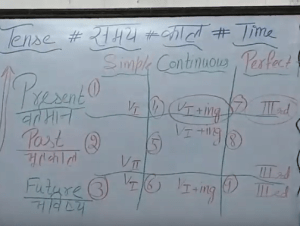

Fighting COVID-19

April 13, 2020

Rohit Dhankar

This is clear by now that the country needs to do a lot if it wants to eradicate coronavirus. Medical equipment necessary for prevention and cure is needed in huge qualities, capability of health care system needs to be enhanced, protection measures for health workers need to be strengthened, number of tests need to be increased, so on and so forth. But the main thrust presently is on lockdown and social distancing. Initially the print media showed some suspicion of lockdown and seemed to indicate usual fragmentation in the society on almost all measures taken by the government. However, slowly the realisation seems to have dawned that this might be a necessary evil, and therefore, a socially united effort is essential to make it successful.

Since social distancing and lockdown to facilitate it is seen as the main method of fighting COVID19 in India, success of these measures become crucial for the society. In this situation cases of violation of lockdown guidelines jeopardise public health and even life. As Prof. Jean Dreze says in his piece in The Hindu on 23rd March 2020, risking one’s own health or life is a smaller consideration in these precautions; the larger consideration is being cautious about not causing harm to others, even unintentionally. From this point of view violations of lockdown guidelines are anti-social acts. However, lumping all cases of such violations together in one category and treating them similarly is neither just nor can it be used to improve efficiency of this measure. The cases of violations have to be understood in the context and in terms of intentions/ motivations. Without such differentiation treating all cases alike would be unjust to many people and effective ways of reducing such incidents can not be devised. This is the job of experts who have all the information and understand social psychology. Below I am sharing my common sense views in categorisation, legal and moral sanctions and measures that should be taken to prevent them.

In my view the incidents of lockdown violations can be classified in the following four categories:

  1. Arising out of necessity
  2. Due to selfishness and arrogance
  3. Due to ignorance and negligence
  4. Due to deliberate religious reasons


  1. Arising out of necessity

A very disturbing and difficult to prevent example of this kind of cases is the movement of migrant labourers. They are not the culprits but victims in spite of their movement being in violation of the lockdown. Most of them had or have no choice. Lack of place to say in, unavailability of amenities and money, facing hunger, etc. forced them to start moving. This clearly was an oversite on the part of the central and state governments. And even now the arrangements made for this group of people are perhaps not adequate to prevent all incidents of violation of lockdown due to necessity. In my view most of the violations by homeless people in cities also fall under this category.

Other case arising out of necessity could be related with medical emergency, unavailability of food and water in the people’s houses or some other unavoidable and unbearable conditions.

All these cases can not properly be said to be of wilful violation. It seems to me that they should not attract any legal or moral sanctions. Rather they should be considered cases to be helped. Provisions of food, water, medical care and other necessities should be organised to prevent cases of violation of this nature.

  1. Due to selfishness and arrogance

There have been many cases of violation of lockdown which can only be seen as arising out of selfishness and/or arrogance of people. Examples of such cases would be people fighting with security personnel to bring their household helps in the building, politicians celebrating birthdays (Karnataka MLA, BJP), political parties having victory meetings (Madhya Pradesh, BJP), political parties celebrating their foundation day (Karnataka, BJP), people bringing in household helps surreptitiously, deliberately roaming on the roads and picking up fight with police when they want them to remain in their homes, and so on.

All such cases should be severely condemned by the society and appropriate legal action should be taken quickly and with complete transparency.

  1. Due to ignorance and negligence

There may be any cases of people just inadvertently or in ignorance violate lockdown. Some of them may not have information and some others may be somewhat negligent. Such cases are likely to involve only individuals, and therefore, may not have big impact, however, that is by no means certain.

This kind of cases can be prevented only throw greater awareness. Ignorance may attract legal punishment but not moral sanction. Negligence attracts both.

  1. Due to deliberate religious reasons

Most of the cases of violation of lockdown and government orders fall under this category. They are not only most numerous, they also involve largest gatherings, and most persistent disregard for social safety. Some of the cases which immediately come in the mind are a Rath Yatra in Maharashtra, Yogi Adityanath moving Ram statue, two Telangana Ministers performing pooja in temples, Ramanavami gathering in Bengal, continued gathering for namaz (especially Friday) in Mosques, a gathering in a Jain temple, people having a dip in Golden Temple sarovar, and of course the most famous Tabilighi Jamaat event. There is unconfirmed news of many more such cases. The cases of attacks on police and health workers visiting certain localities also have been motivated, as per the unconfirmed news, by religious considerations. The latest in Punjab where a Nihang cut off hand of a police personnel; the most arrogant, fierce and gruesome so fat.

These cases are presenting and will continue to present the toughest challenge to the government. Most of them are adamant and think that religion is above the law. To my mind they need the most severe legal punishment and social condemnation. Unfortunately, the society is most fragmented on such cases. If you mention Rath Yatra or Ramavanami gathering some people will site Jamaat incident to defend them. If you mention the Jamaat some other people will site Rath Yatra to defend them. They use the crimes of others to seek immunity from legal action to commits of their own. They don’t site the other’s crime to punish him as well. Some other people even use case of the first three kinds to defend the fourth kind. This is gross stupidity to site a case of unavoidable necessity (migrant labourers) to justify a case of religious arrogance and violation.

The governments have to improve supplies of food and other necessary amenities to reduce the number of cases of first kind, and step up awareness programmes for the cases of third kind. The cases of second and fourth kind need very stern and prompt legal action against those who are found responsible. Leniency because of connections with powerful politicians or due to considerations for religions will encourage these people.

*****

13th April 2020